The Horn Awaits
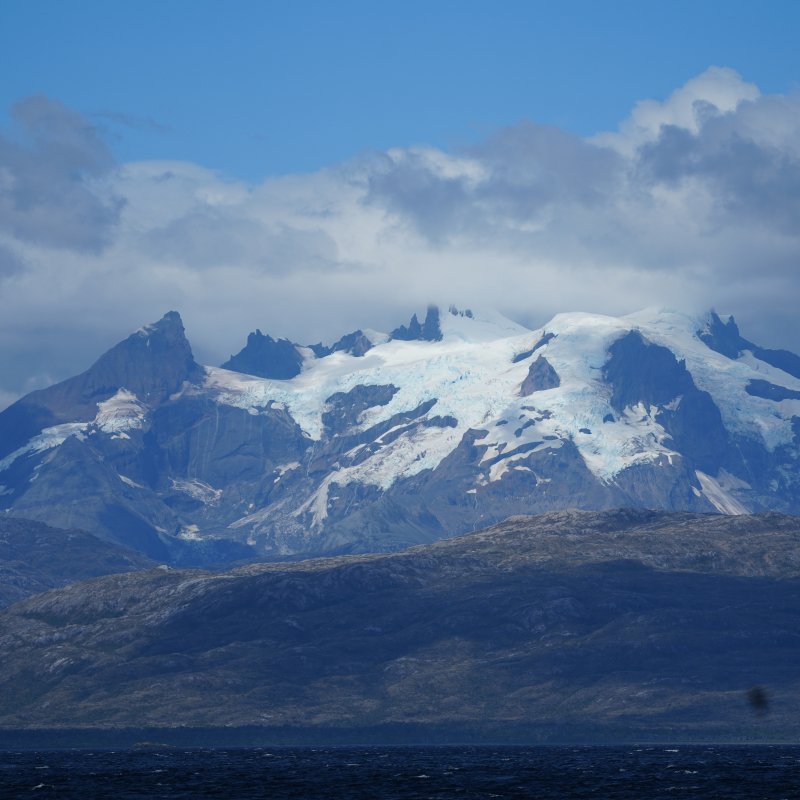
Presently we are in Canal Brecknock, Patagonia. For now, the weather is on our side — 14 knots on a broad reach with just the jib unfurled, and more than two knots of current carrying us forward. Last night brought clear skies, an alignment of planets, and a near-full moon. This morning: steady wind
Caldera Chile
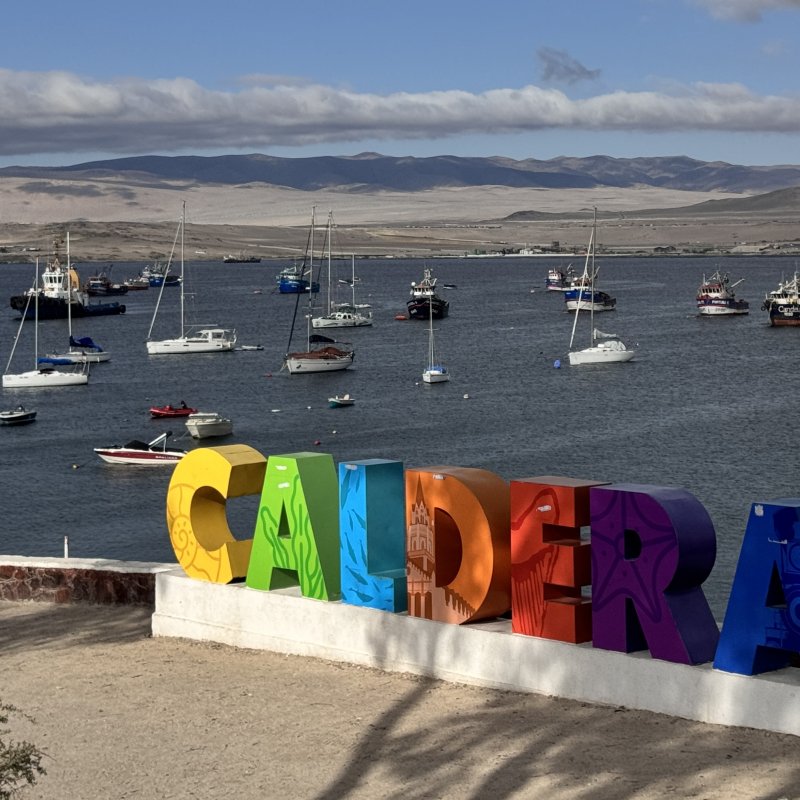
It’s the last day of January, and as we sit at anchor—waiting for customs… again—I have to say our time in Puerto Caldera has already been encouraging. Before we’ve even set foot ashore, people have reached out offering help in every way possible. One woman in particular, Rocio from the sailing
A day in the life aboard One Ocean
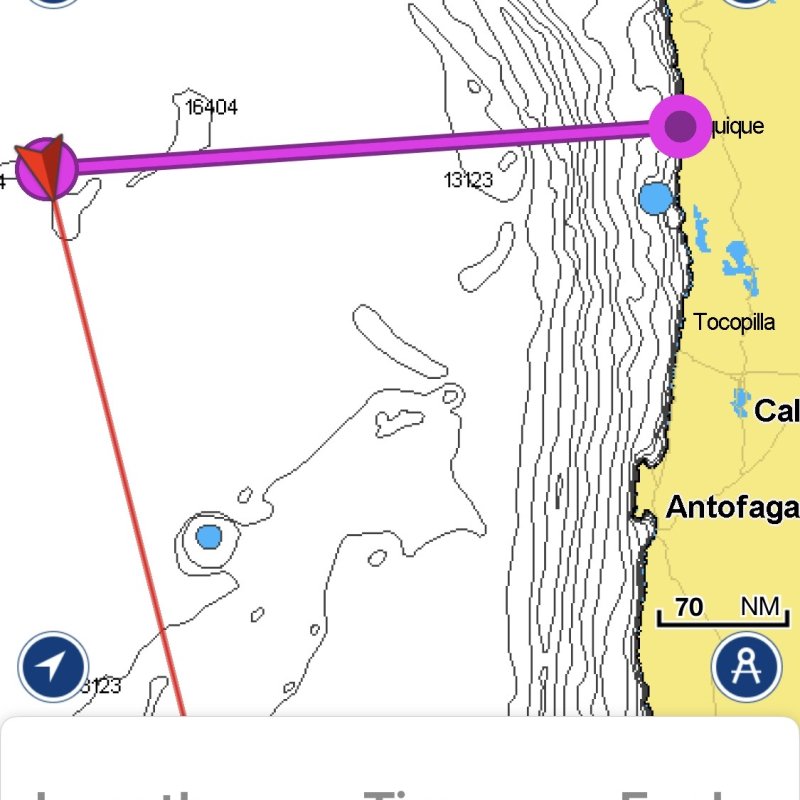
One Ocean is currently 340 nautical miles off the coast of Chile. We left Callao on Wednesday evening and—somehow—it’s already Sunday. We’ve been averaging 120 nautical miles a day heading south. Conditions have been kind, and once we cleared 150 miles offshore, it felt as though we were completely
The Lights of Lima
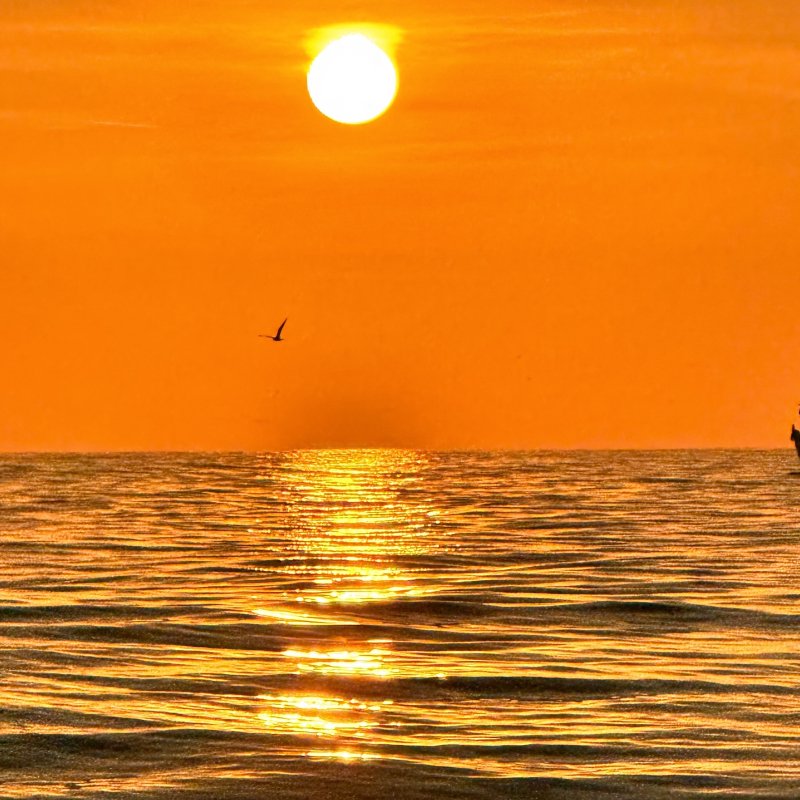
The lights of Lima remain off our port beam as we glide south toward Chile through soft, calm water. The night sky is speckled with southern constellations, and the moisture in the air makes everything feel damp. It’s 12:30 a.m., and I’ve just started my midnight to four watch. I couldn’t sleep
One Ocean
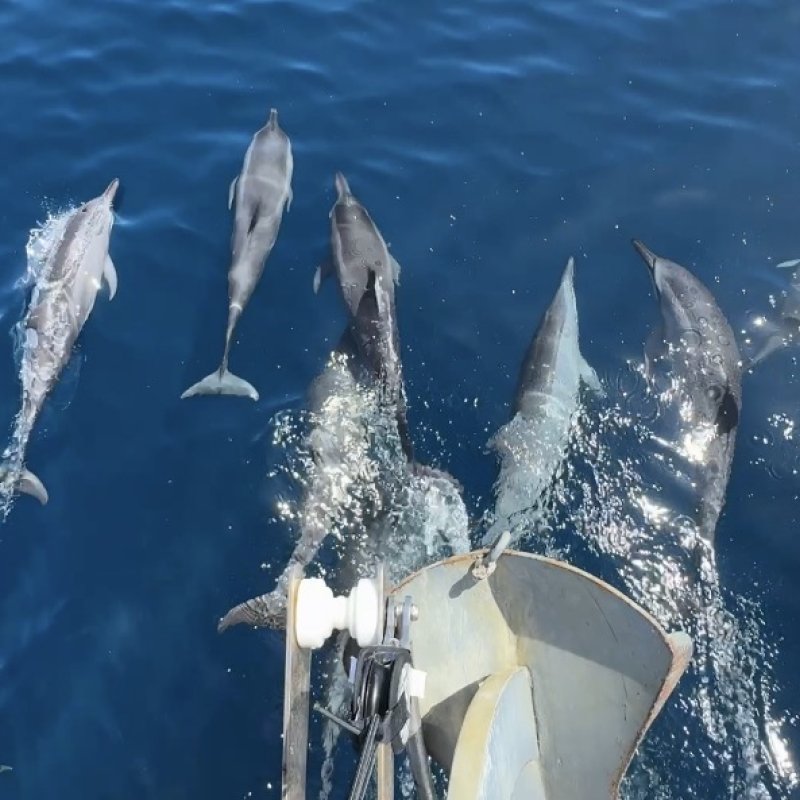
I woke this morning to calm waters—the quietest and flattest I have seen in a long while on this expedition. The early morning sun burned through a layer of fog, not thick, just enough to bead dew across the deck and leave a damp chill in the air. It was my early morning watch aboard One Ocean as we
Ecuador, Equator and Calamari
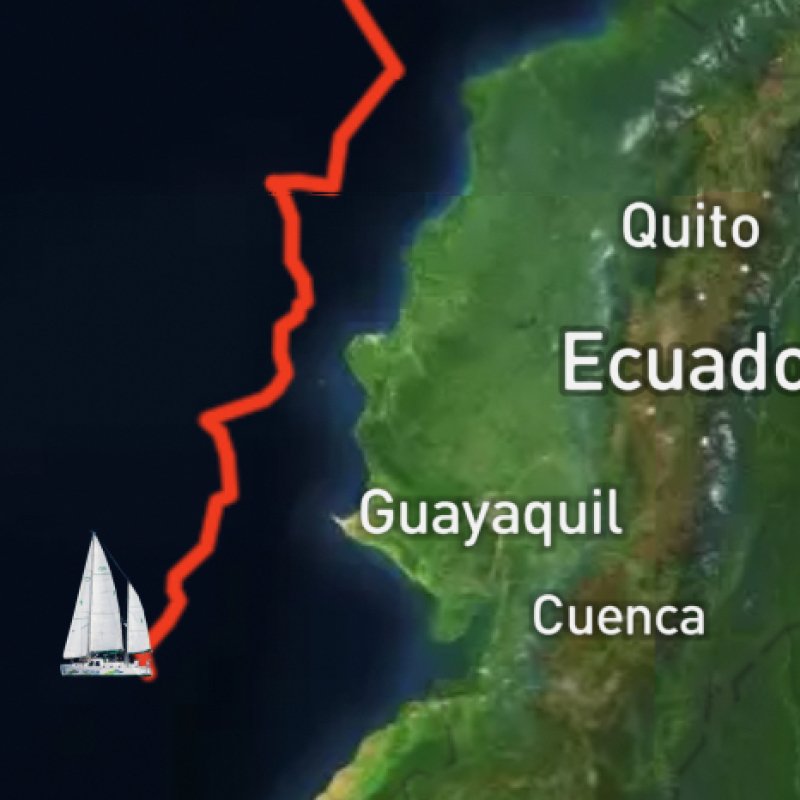
It was the night of our equator ceremony when I thought, for certain, we were being taken over by pirates. My heart leaped into my throat as I remembered Mark’s words… never ever let anyone board this vessel. When a boat rapidly approached One Ocean at night—men yelling and pointing a green laser
Decisions
When we made the decision to turn right and transit the Panama Canal, we based it on three factors: finances, weather, and time. The weather was against us and we were storm-weary. We weren’t going to make Uruguay for Christmas, and our funds were nearly gone. So we turned toward the Canal to keep
Tides of Change: From the Arctic to Guna Yala
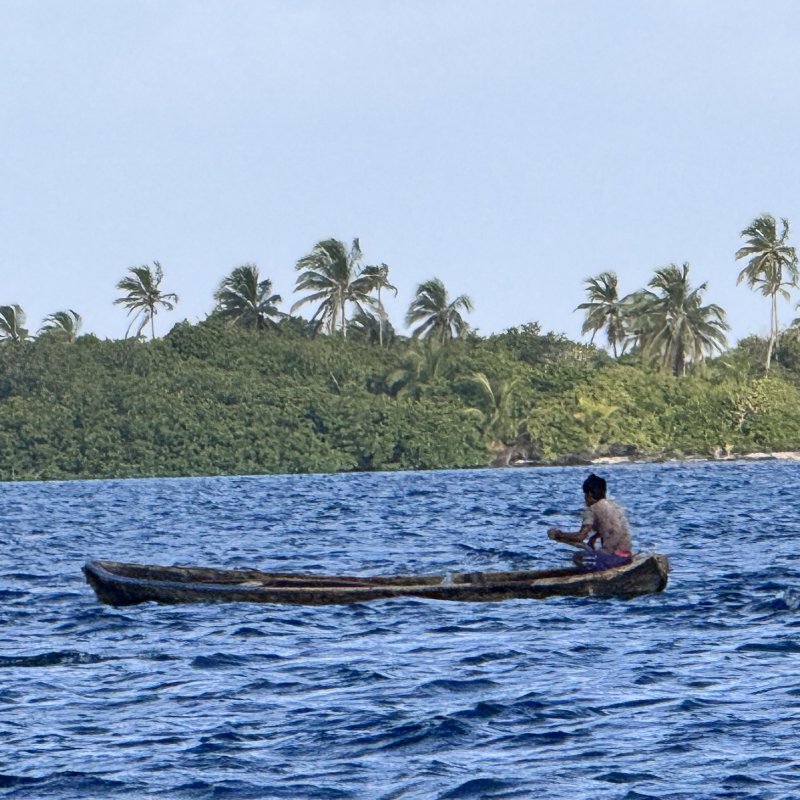
It had been years since I first sailed through the Guna Yala archipelago (formerly the San Blas Islands) with Sarah, Paige, and John Dalton aboard his catamaran, Blue Bamboo. We always said we’d come back, and being here again has been unexpectedly emotional. I hear Sarah and Paige’s laughter in
Bocas Del Toro: Where Bureaucracy Meets Pizza-Gate
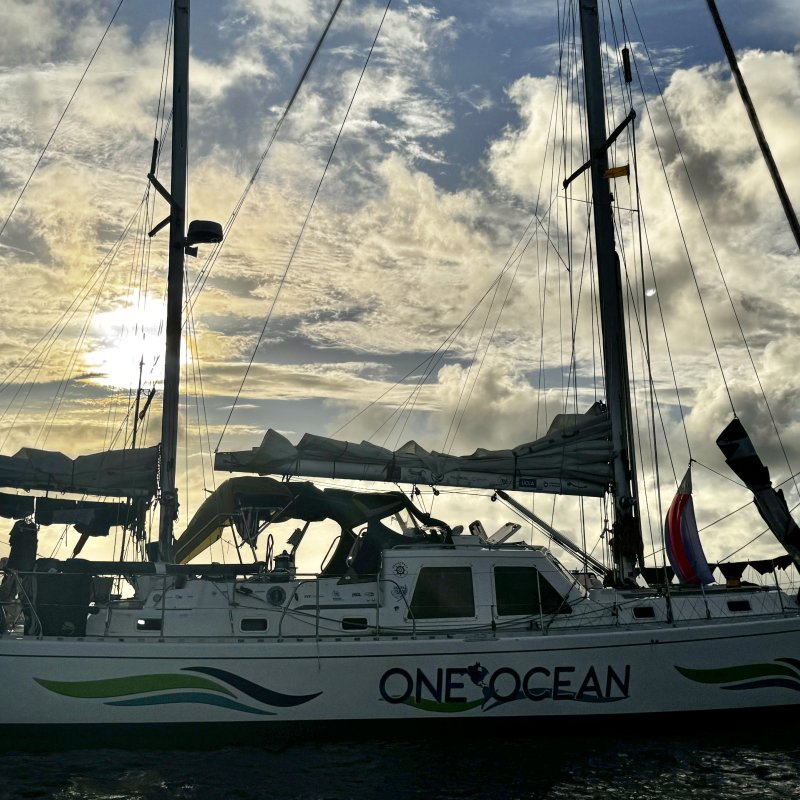
One Ocean finally made it to Bocas Del Toro, Panama, surfing in on an easterly wind and a string of squalls—right up to the channel entrance. We even managed to arrive with daylight to spare, which felt like winning a small lottery. Normally I’m grateful for our electronics when entering new ports
St. Croix to Panama
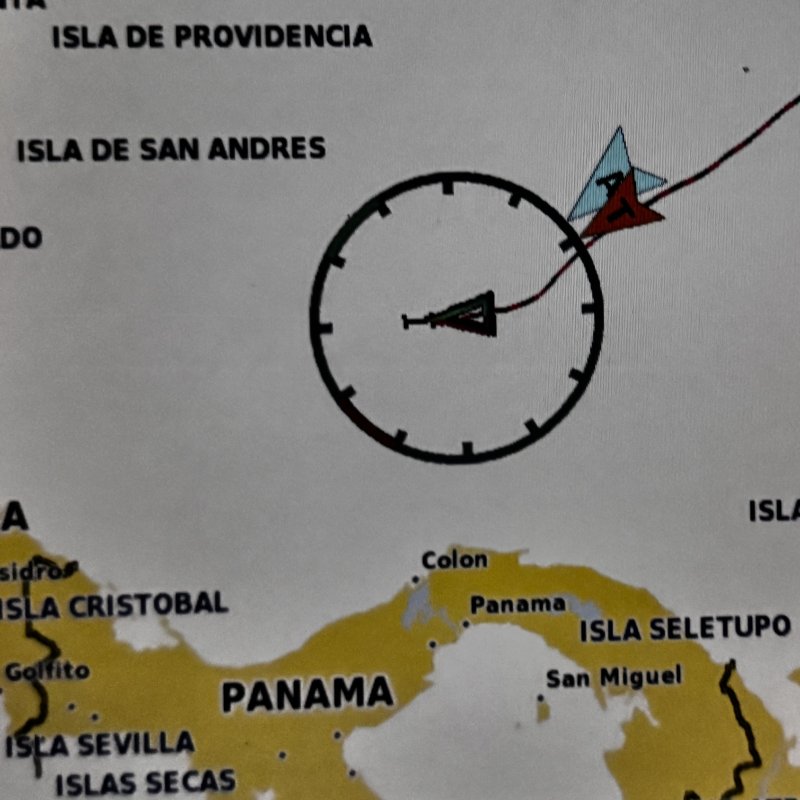
St. Croix to Panama We seem to be storm magnets — and flying-fish magnets… especially me. One Ocean has been surfing through gusts into the mid-40s with huge, heaving waves. Who knew the Caribbean Sea could throw punches like that? The “Christmas Winds” — the seasonal trades get stronger as the
One Ocean's course changed - the mission didn't
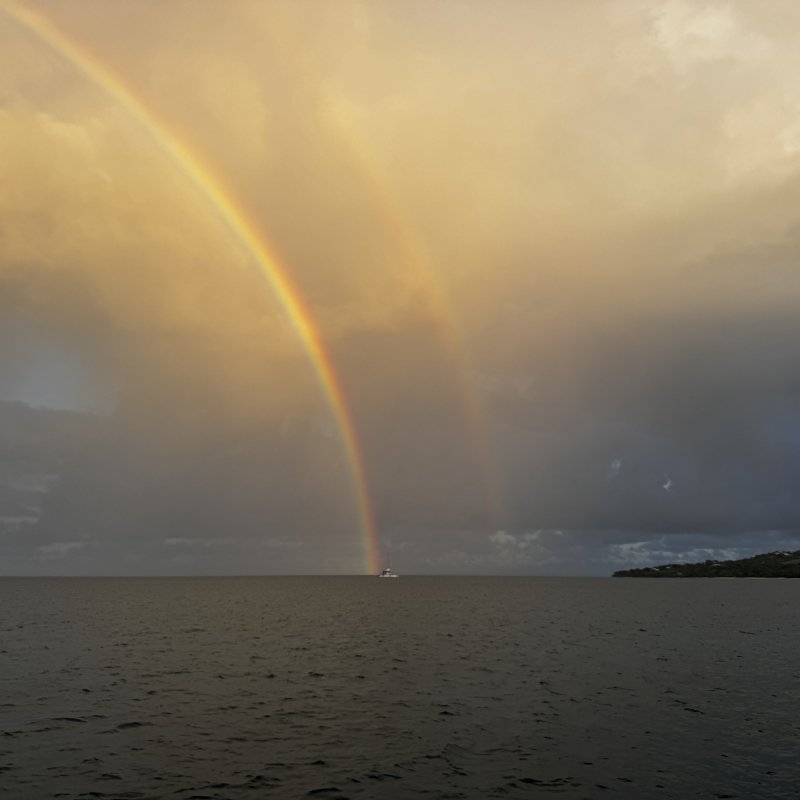
We left Culebra with Antigua on the horizon and a clean plan: slip past the island, push out to the windward side of the Caribbean chain, and begin our long run south toward Uruguay. The trades had other plans. Predicted 15–17 knots became a relentless 20+ from the E/SE, gusting over 30. The seas
Hurricane Melissa
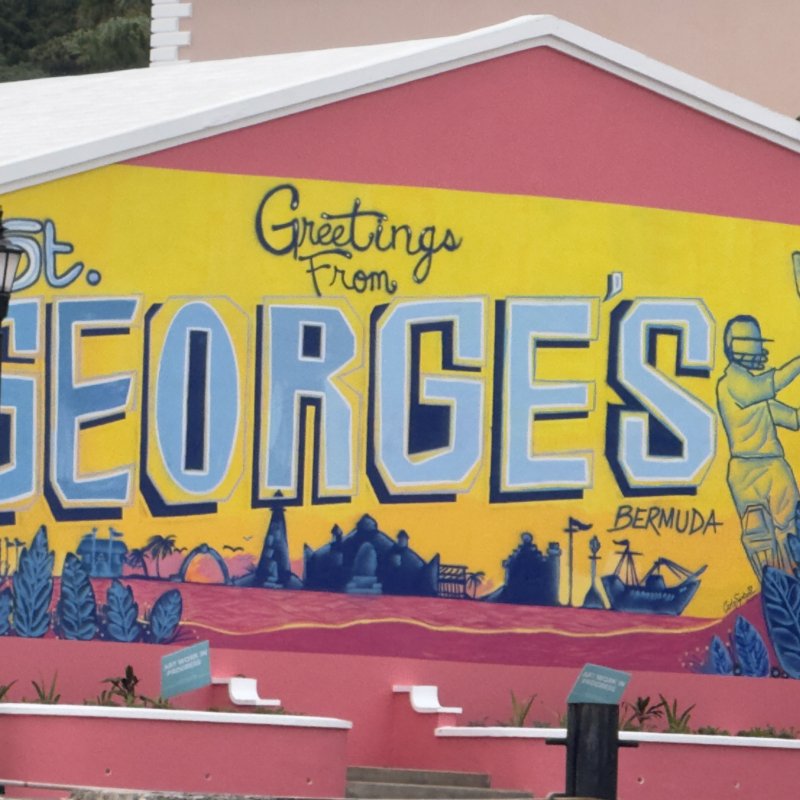
Still bruised from our crossing south across the Atlantic, Tess, Mark, Charley, and I had just about finished repairing One Ocean from the beating she took when I first heard whispers about a hurricane forming to the south. We were at dinner at Wahoo’s in St. George’s, Bermuda — celebrating our