 Donate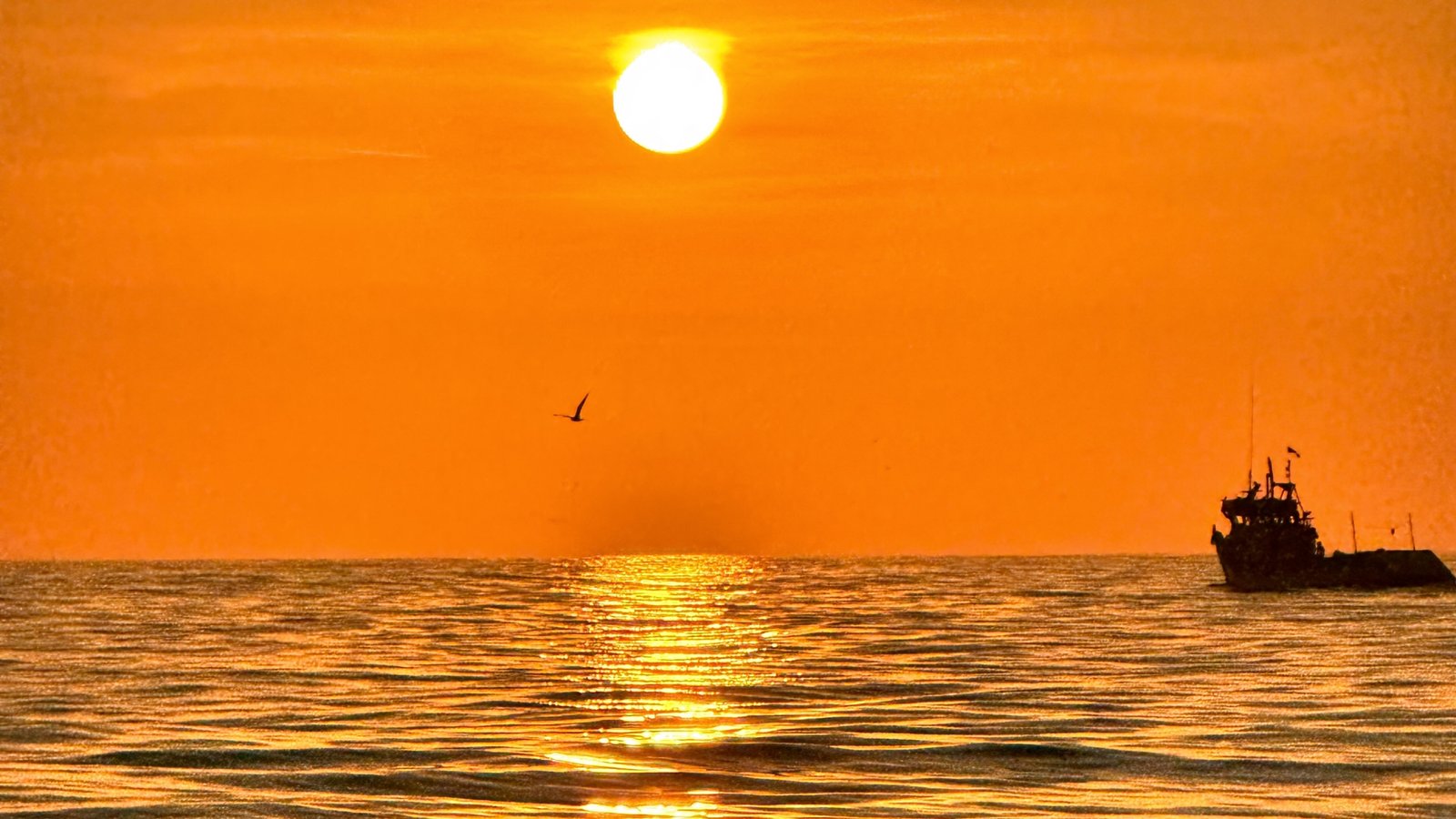
The lights of Lima remain off our port beam as we glide south toward Chile through soft, calm water. The night sky is speckled with southern constellations, and the moisture in the air makes everything feel damp. It’s 12:30 a.m., and I’ve just started my midnight to four watch. I couldn’t sleep earlier—usually I nap from eight to twelve—but not tonight.
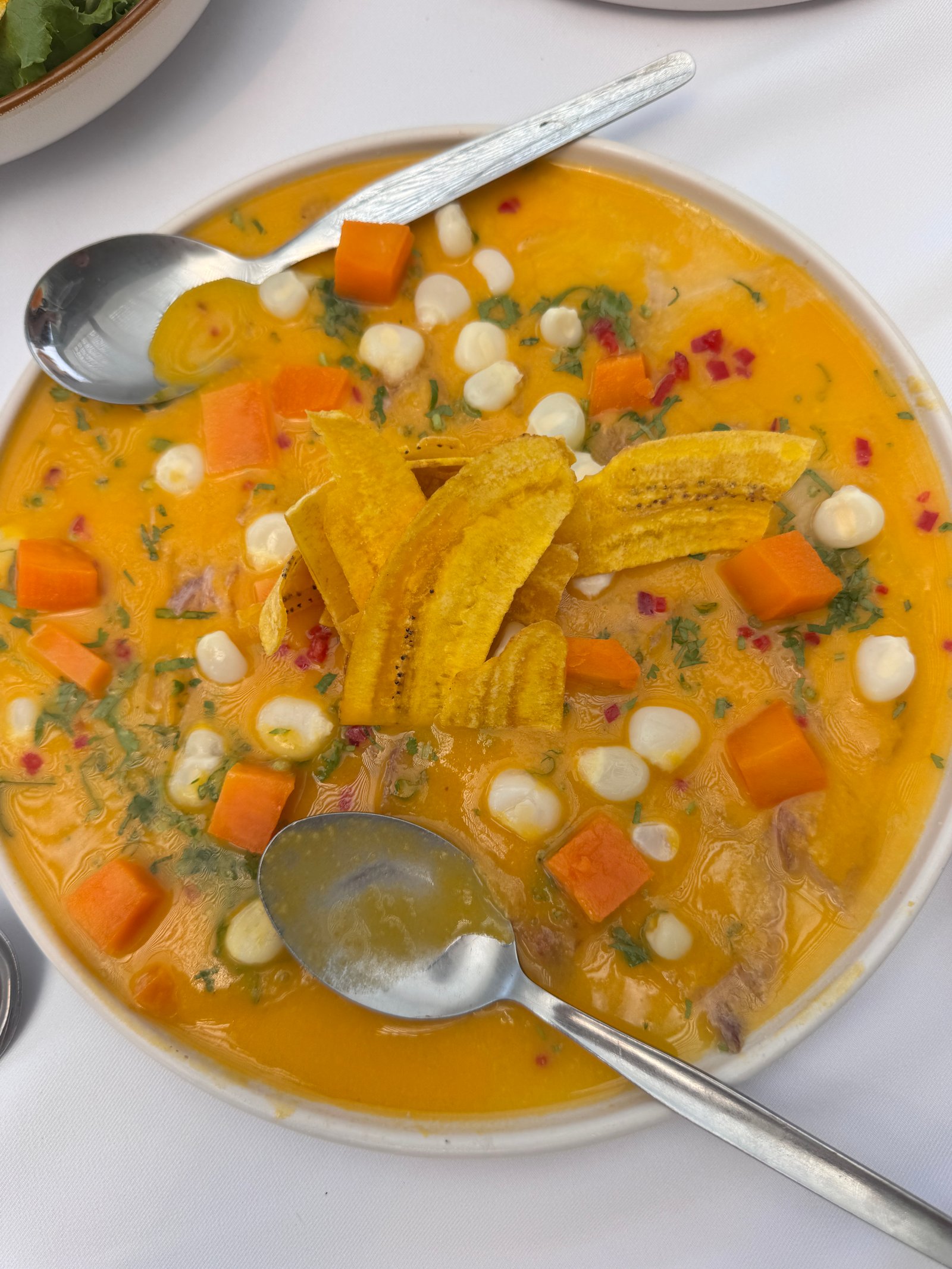
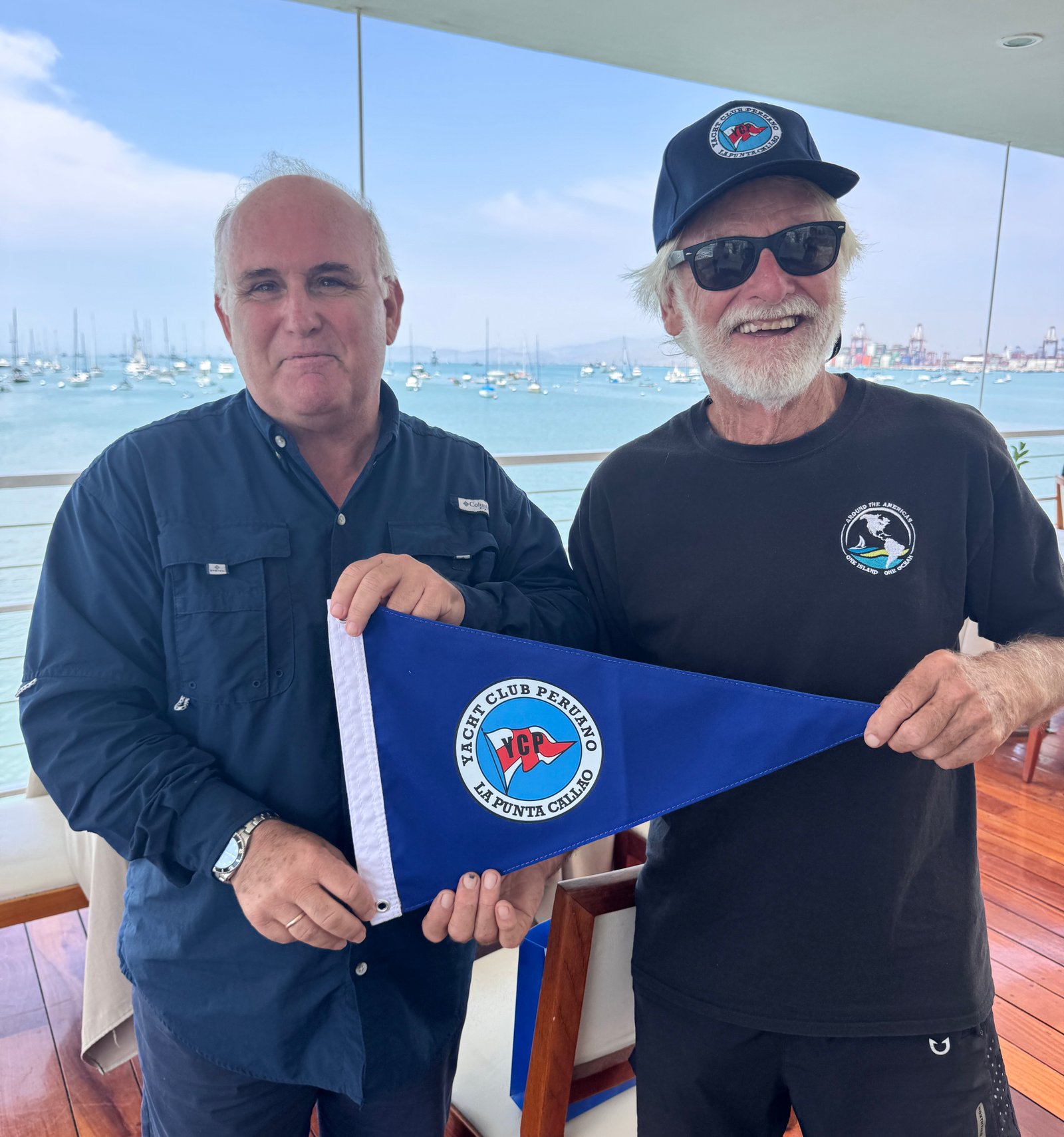
Maybe because of the Peruvian Americano I had at lunch with the Rear - Commodore, Gonzalo Díaz de Rávago D'Onofrio of the Yacht Club Peruano. An amazing brew: thick, rich, almost chocolatey, the kind of coffee I remember from years ago when I visited Costa Rica. The lunch in its entirety was nothing short of spectacular. The ceviche was in a league of its own. Sashimi fish in saffron sauce, beautifully presented and even better to the taste buds.
It was a kind gesture from the Commodore to treat us to such an incredible meal, his way of easing the pain of the bill we received for arriving into his country. The total—for a stay of just three days—was mind-blowing. This was for a mandatory agent, arrival and departure paperwork, health inspection and so forth - grand total = $1,900 US dollars. Thanks to the Rear - Commodore he was able to get 10 percent knocked off of this fee. Now this did not include the money we spent on restocking the boat with groceries and diesel! The yacht club was doing all they could to deliver impeccable service and attract tourism, all while battling the gouging prices imposed by customs and officialdom (Mark has a blog coming out that will explain why we stopped there and what we had to do to clear customs).
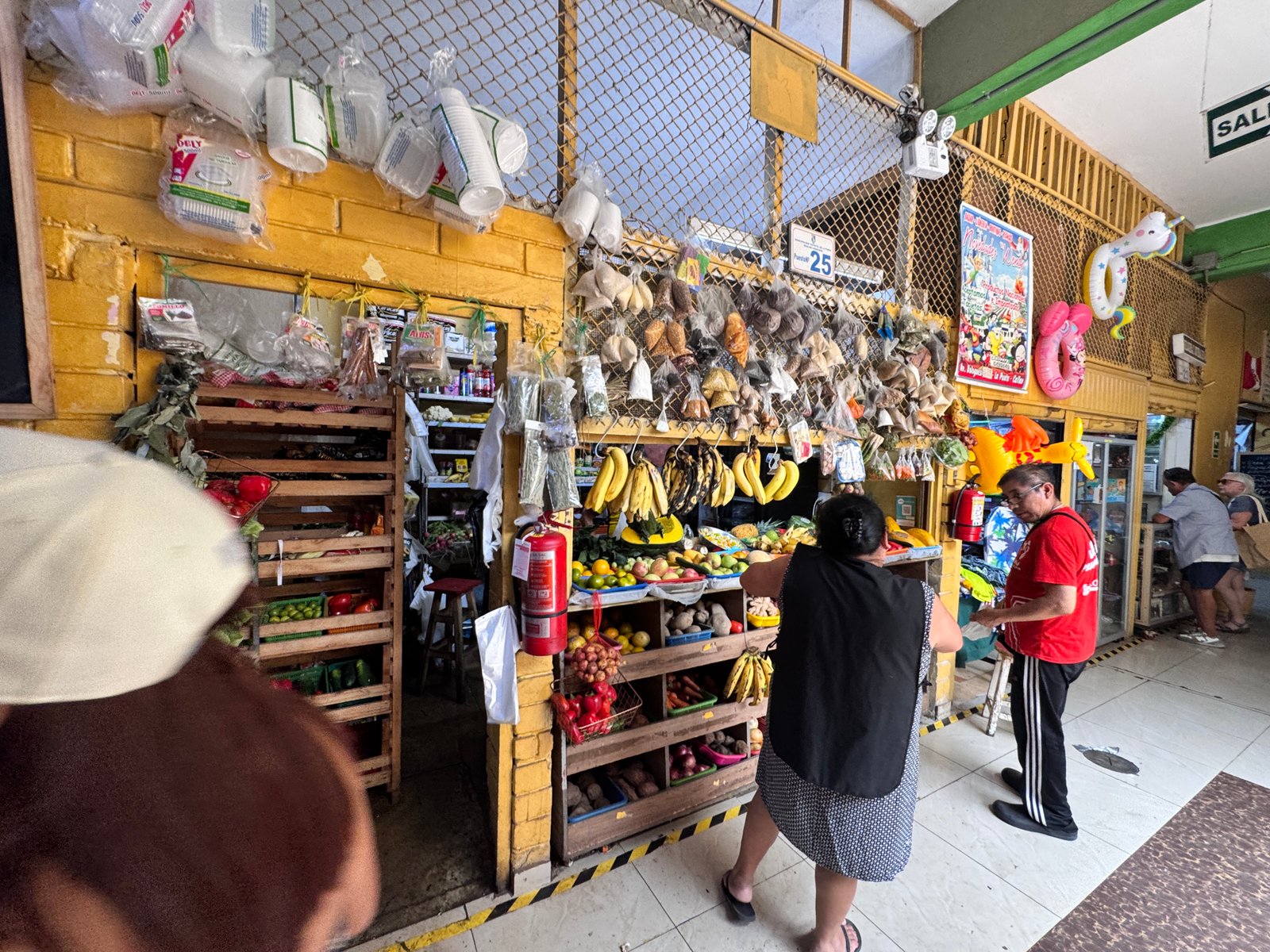
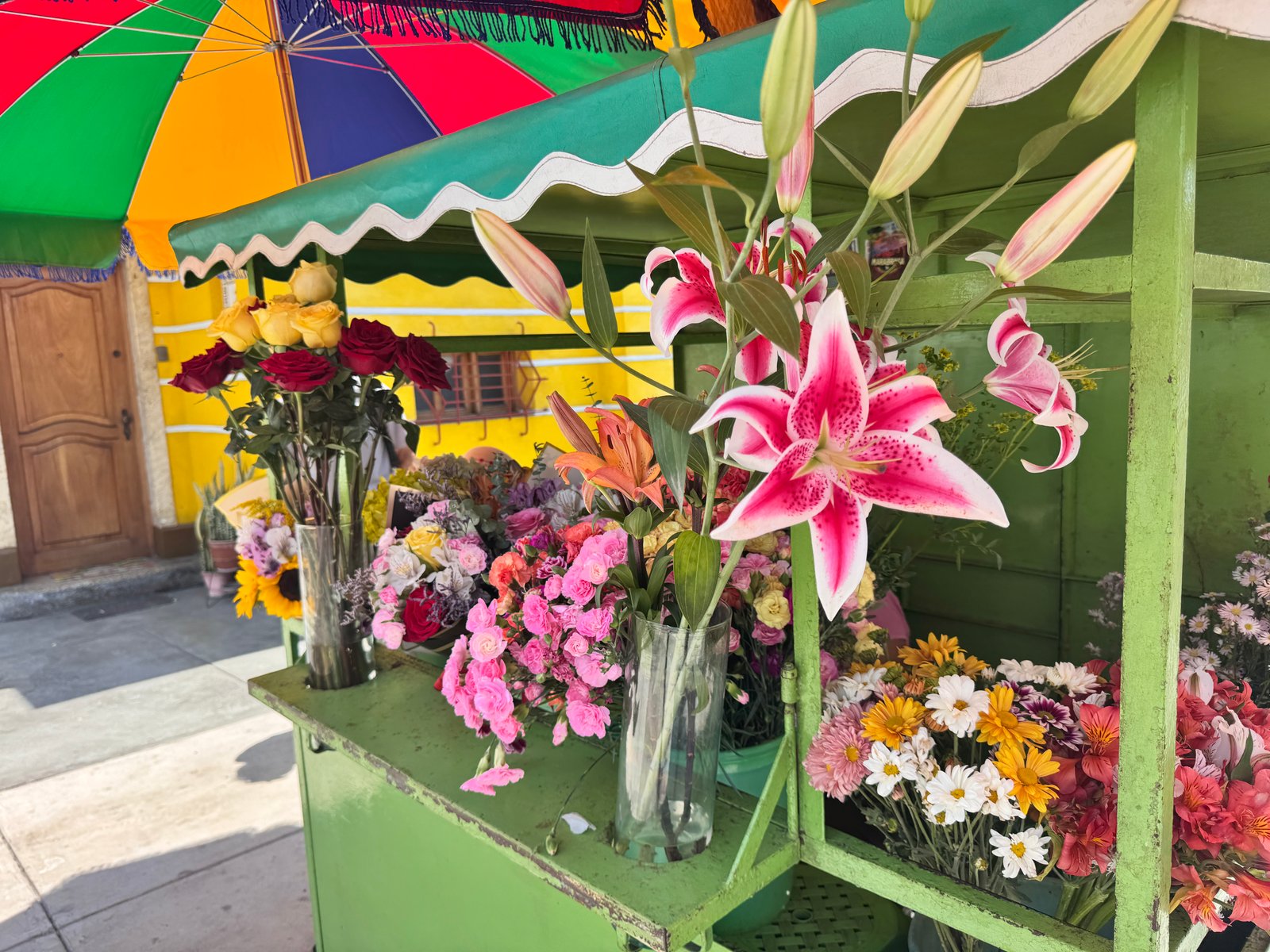
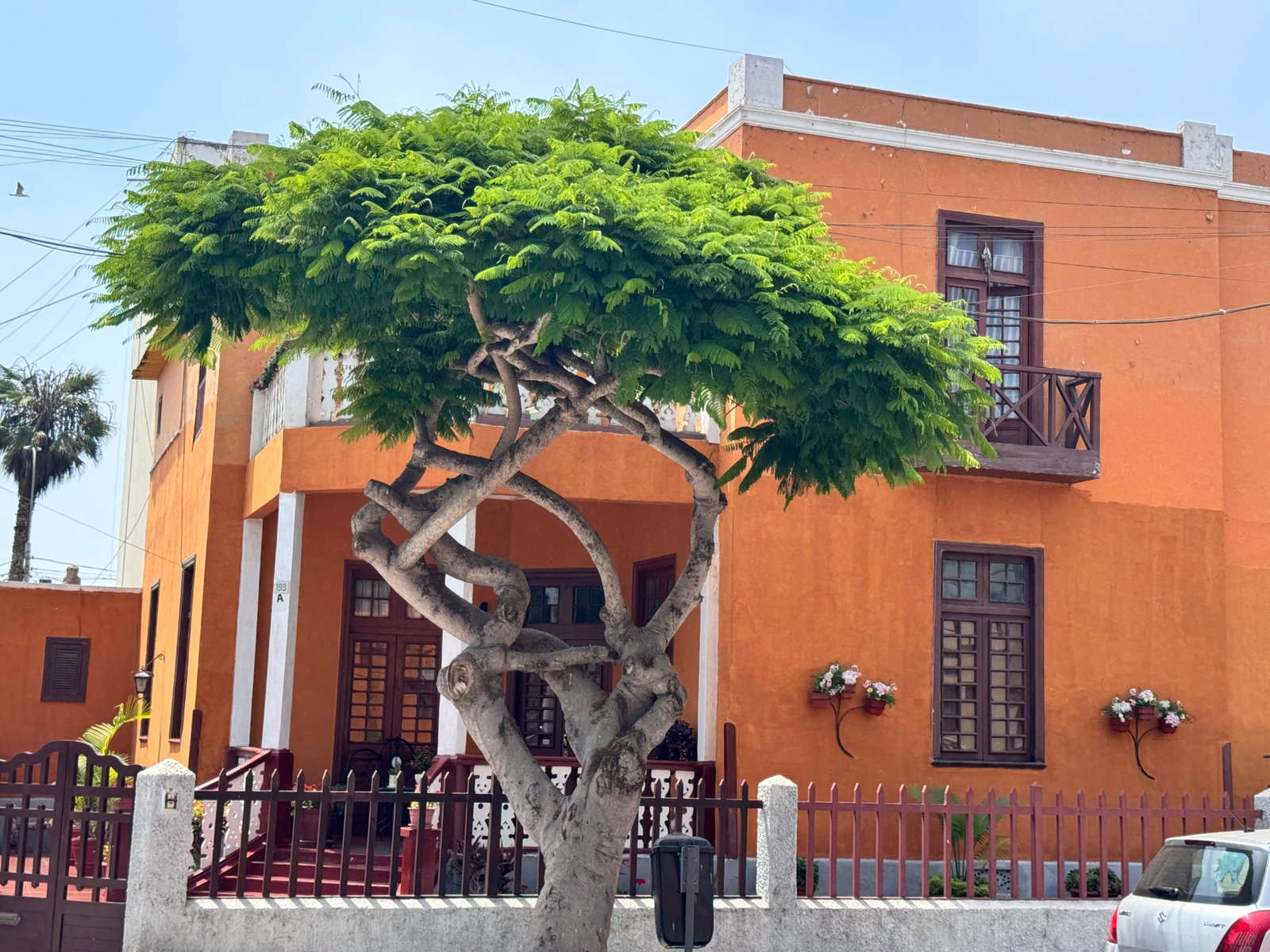
I do wish we could have stayed longer, Callao was a beautiful town (and we had spent so much for this stop!) but alas, we must carry on.
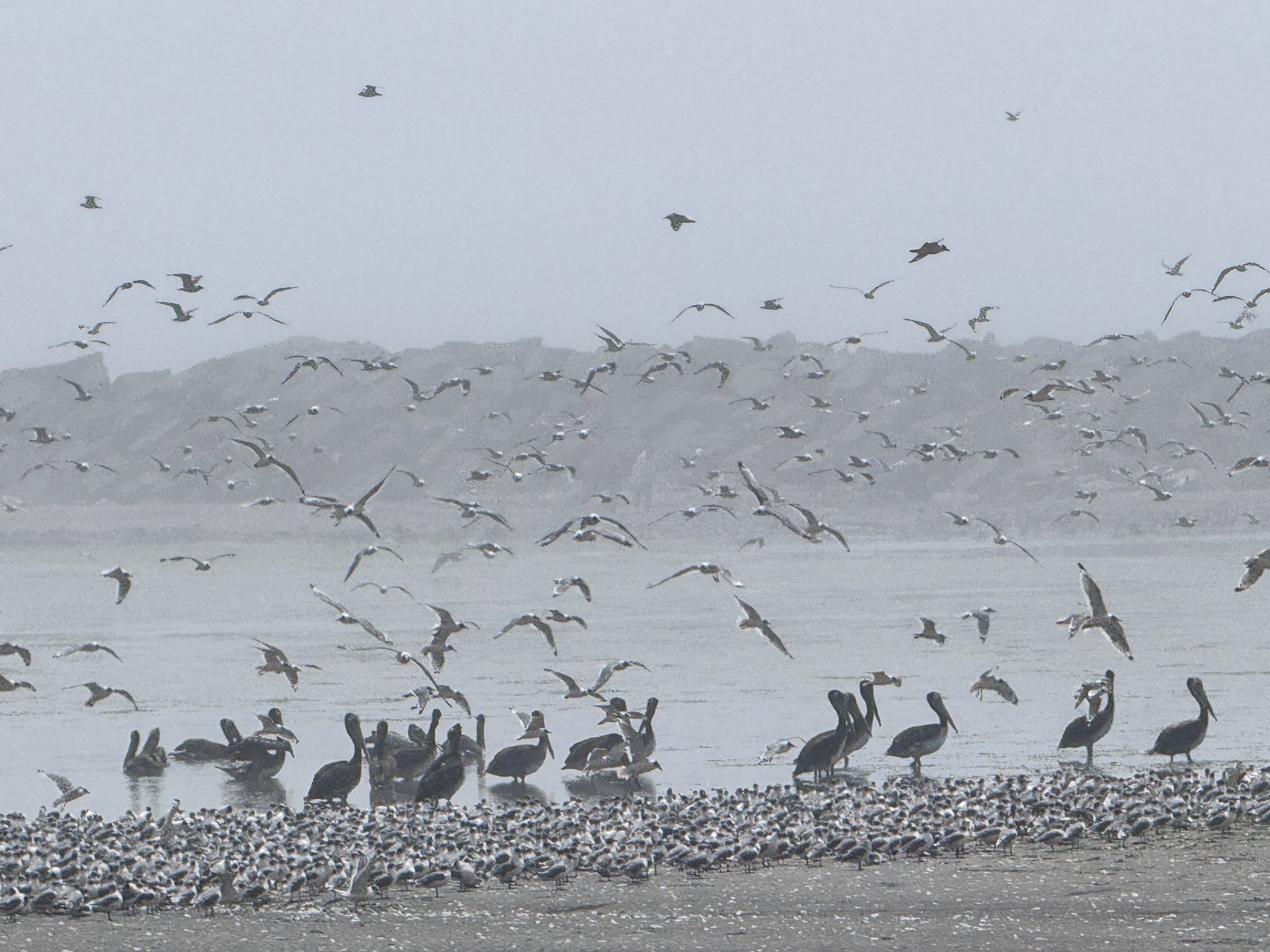
Our timing, delayed by storms in the Atlantic, has set us on a course of Chile or bust. Timing is crucial if we want even a chance at rounding Cape Horn, and with each passing day, that chance diminishes.
We also have several kelp sites to visit down near the Horn, so I’m extremely excited at the thought of Grace—our marine biologist—and my daughter joining us.
Since saying yes to this expedition, I’ve dreamed of visiting Chile again. I lived there in the mid-1990s, just north of Puerto Montt in a small country town called Ensenada. We’ll visit it on our way back north from Cape Horn. But first, we have to get there.
I’m watching the weather diligently. Mark and I have an agreement: we turn around if it turns ugly. But for now, we’re still in the Southern Hemisphere summer, and the forecasts look favorable.
I don’t mind these late-night watches sometimes. Tonight it’s quiet and peaceful. Over the last few weeks, I’ve realized that for most of our journey north, this was never the case. From Juneau, Alaska, onward, we were under constant pressure. Storms and ice made everything anxious, and once we left Pond Inlet heading south, the storms seemed to chase us.
I know most people might not equate what we went through with witnessing climate change, but it was. The storms and the ocean on the East Coast are increasingly fierce and rapidly changing, making them difficult to predict.
After months of such intensity, I’ve finally been able to breathe a little. With these kinder conditions, I’m loving sailing again.
We’re close to the Peruvian coast now, but beyond the twelve-mile limit, so our internet has dropped. I don’t mind, except that it puts me behind on project work. We rarely get time for computer work when we’re in port for only a couple of days. Those stops are completely consumed by land chores—laundry, groceries, diesel, customs, and more. Mark once told me he never liked stopping; it was always harder than continuing on. I often look forward to landfall, but when it’s a whirlwind like this last one, it can be exhausting.
We also hosted another wonderful live classroom. Thanks to Dr. Jim Thomson and Grace Dalton for contributing. It’s incredibly fun—and inspiring—for the crew to connect with schools and students. We had classes chiming in from all over the world.
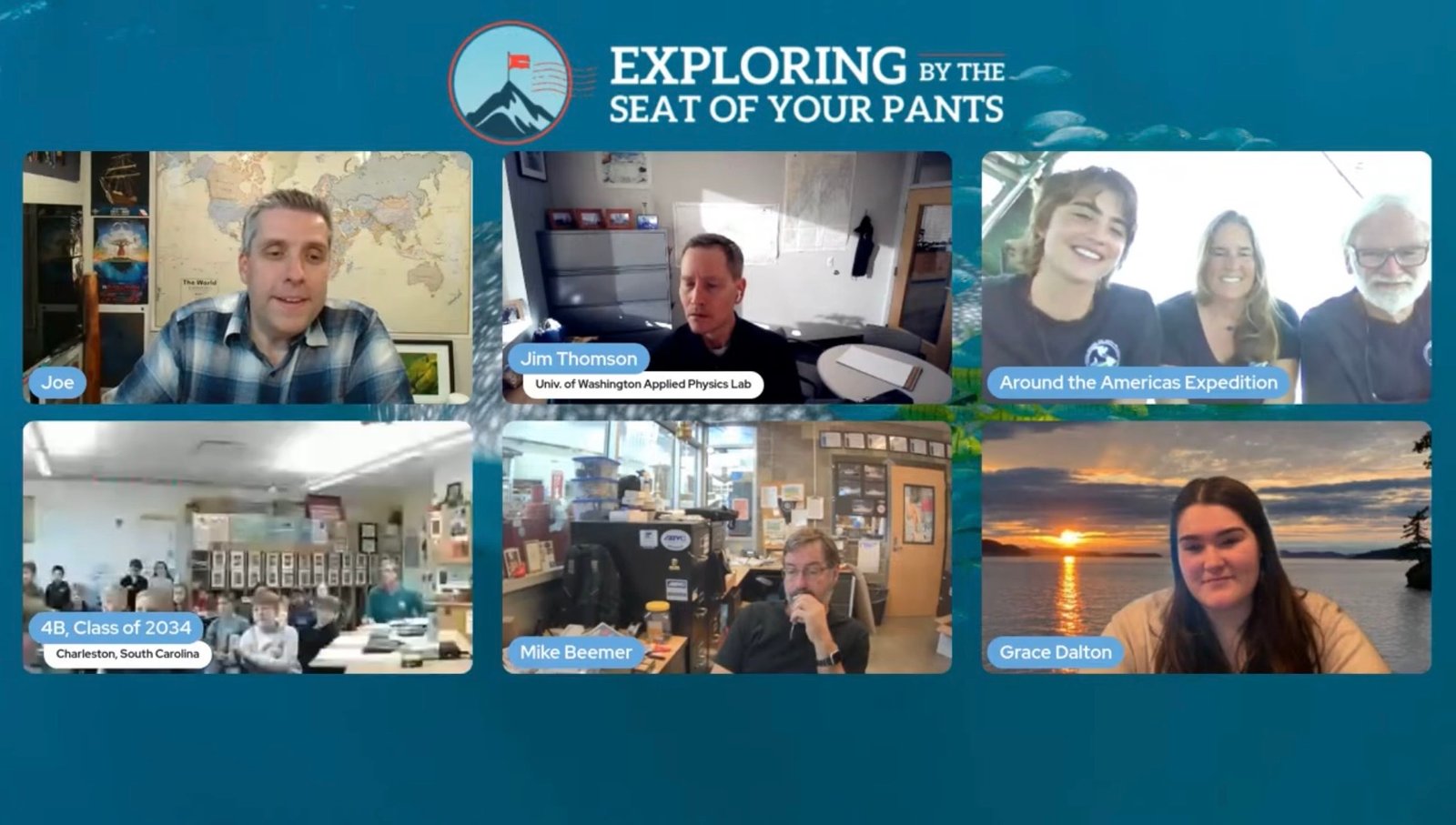
This last session focused on ocean currents. We tied in the Humboldt Current and the wildlife we’ve observed while crossing through it. Jim spoke about both the Humboldt Current and the Drake Passage around Cape Horn, and Grace previewed her upcoming lesson on the southern kelp beds. It made me even more excited for what lies ahead.
Chile—here we come.