 Donate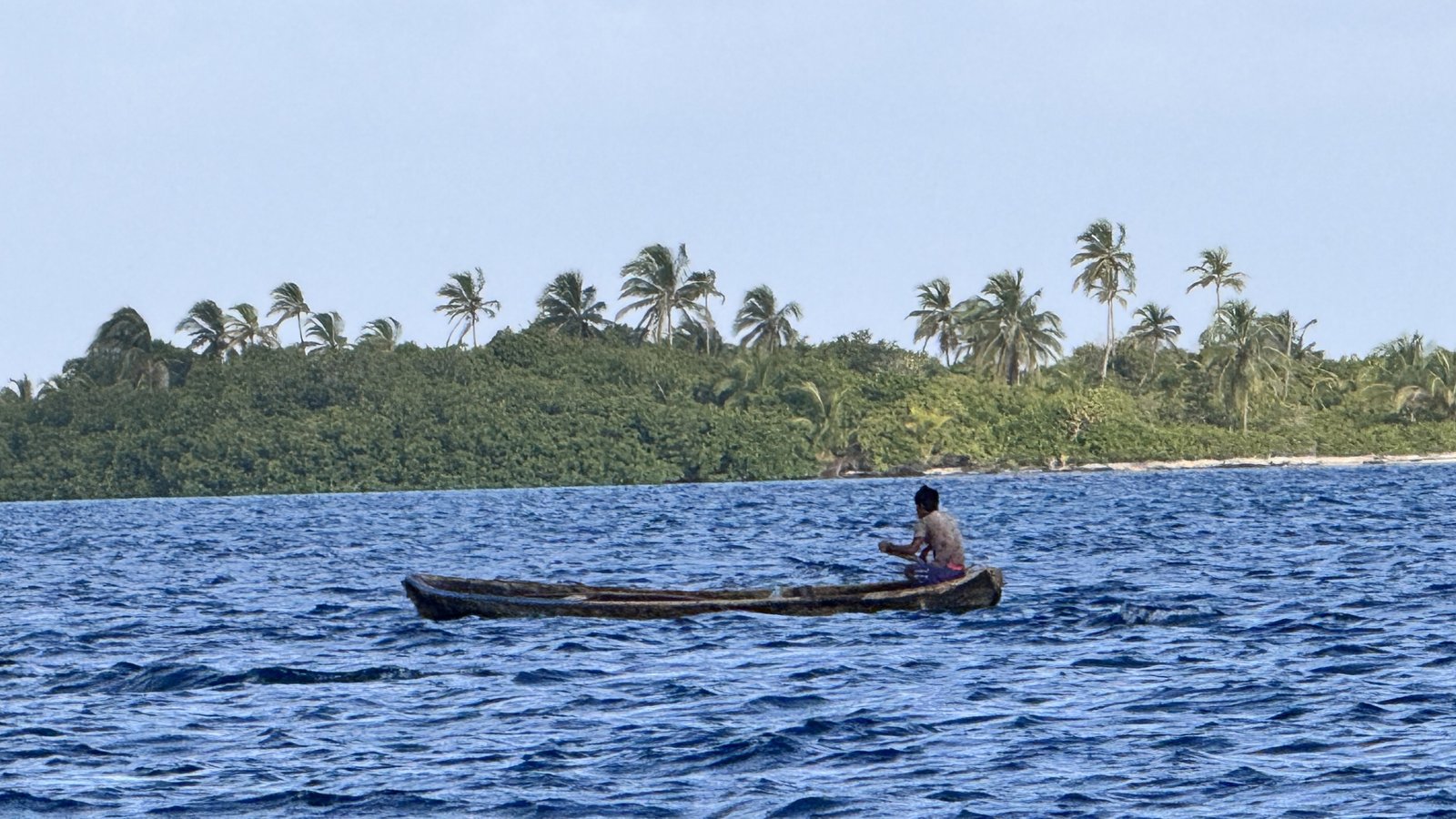
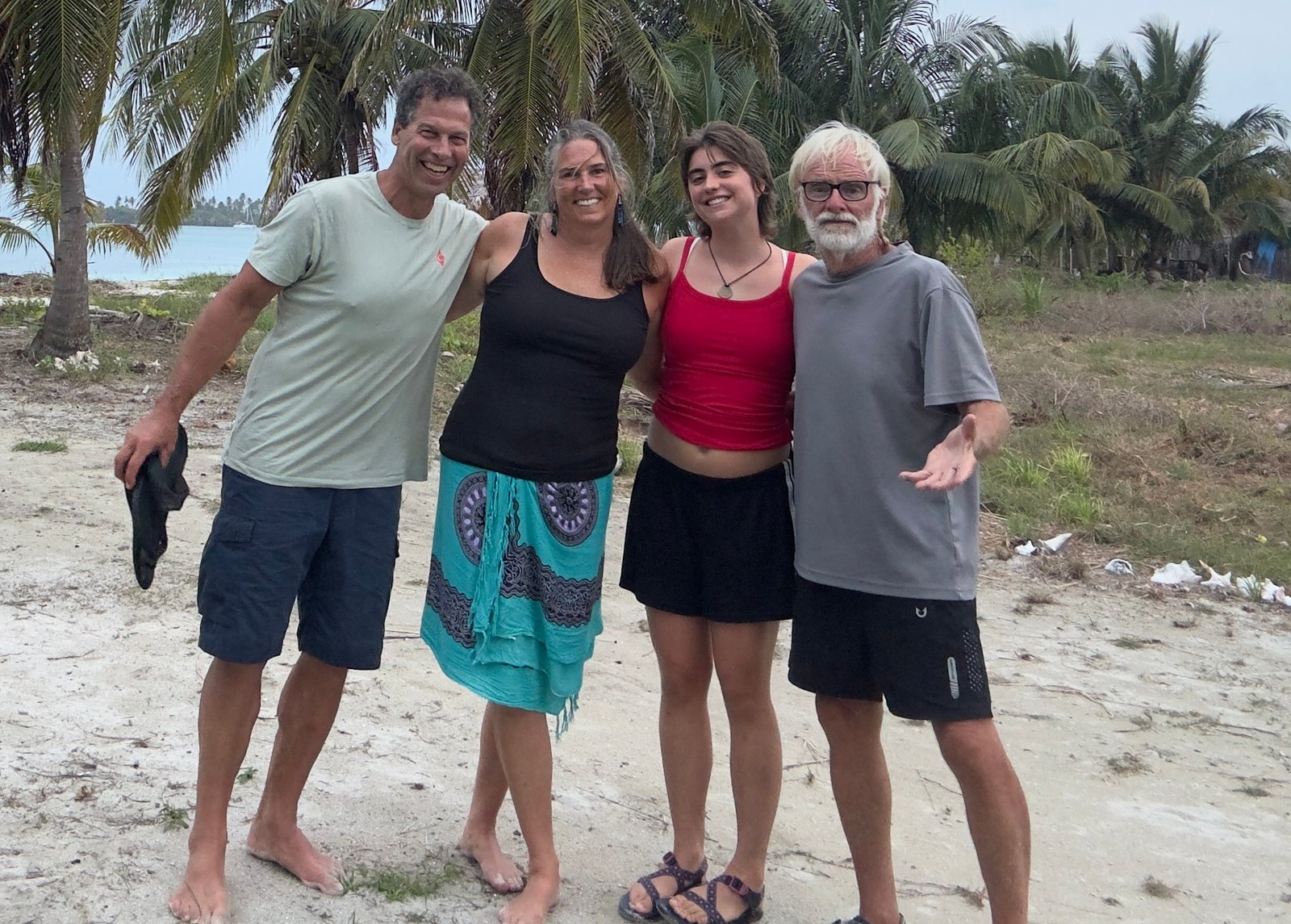
It had been years since I first sailed through the Guna Yala archipelago (formerly the San Blas Islands) with Sarah, Paige, and John Dalton aboard his catamaran, Blue Bamboo. We always said we’d come back, and being here again has been unexpectedly emotional. I hear Sarah and Paige’s laughter in every anchorage, every echo off the palm-lined beaches. Each island brings back a memory from that first trip—little flashes of joy layered onto this new experience.
I knew I wanted to bring the One Ocean crew here someday. I thought maybe when we reached Panama after rounding Cape Horn, I’d be able to steal a few days to bring the crew to sail with my brother-in-law on his boat. But, as you all know by now, plans changed. Extreme weather systems pushed us in this direction instead.
What I didn’t realize then was how important this detour would be for the expedition.
A Mirror of the Arctic
The Guna communities’ migration away from their ancestral islands feels eerily familiar to what we’ve heard—and witnessed—in the Arctic. Their islands, homes, traditions, and culture are woven tightly into this archipelago, just as the Inuit communities are tied to the sea ice and coastline of the North. Yet both are facing the same accelerating threat: rising seas, vanishing land, and disrupted ecosystems.
The Guna people are now relocating to the mainland. It’s a monumental move involving new homes, infrastructure, and the difficult task of preserving cultural identity during upheaval. The government has supported the process, and by 2024 many families from Gardi Sugdub had begun moving into newly built housing. Still, the transition is far from simple. These are people whose lives revolve around the water—fishing, tourism, a rhythm set by tides.
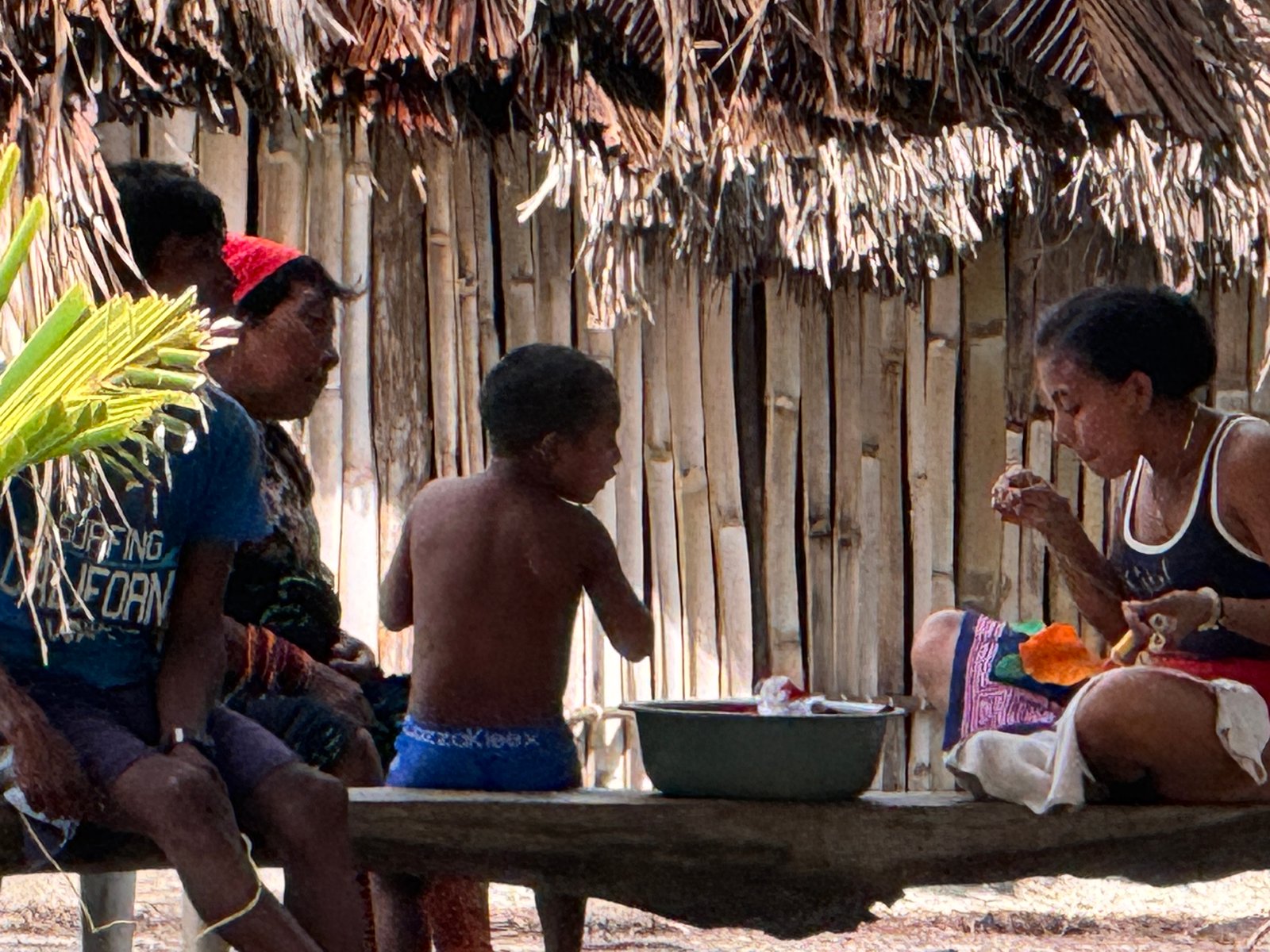
Now they must adapt to a forested landscape, and delays and bureaucratic challenges have made the process even more complex.
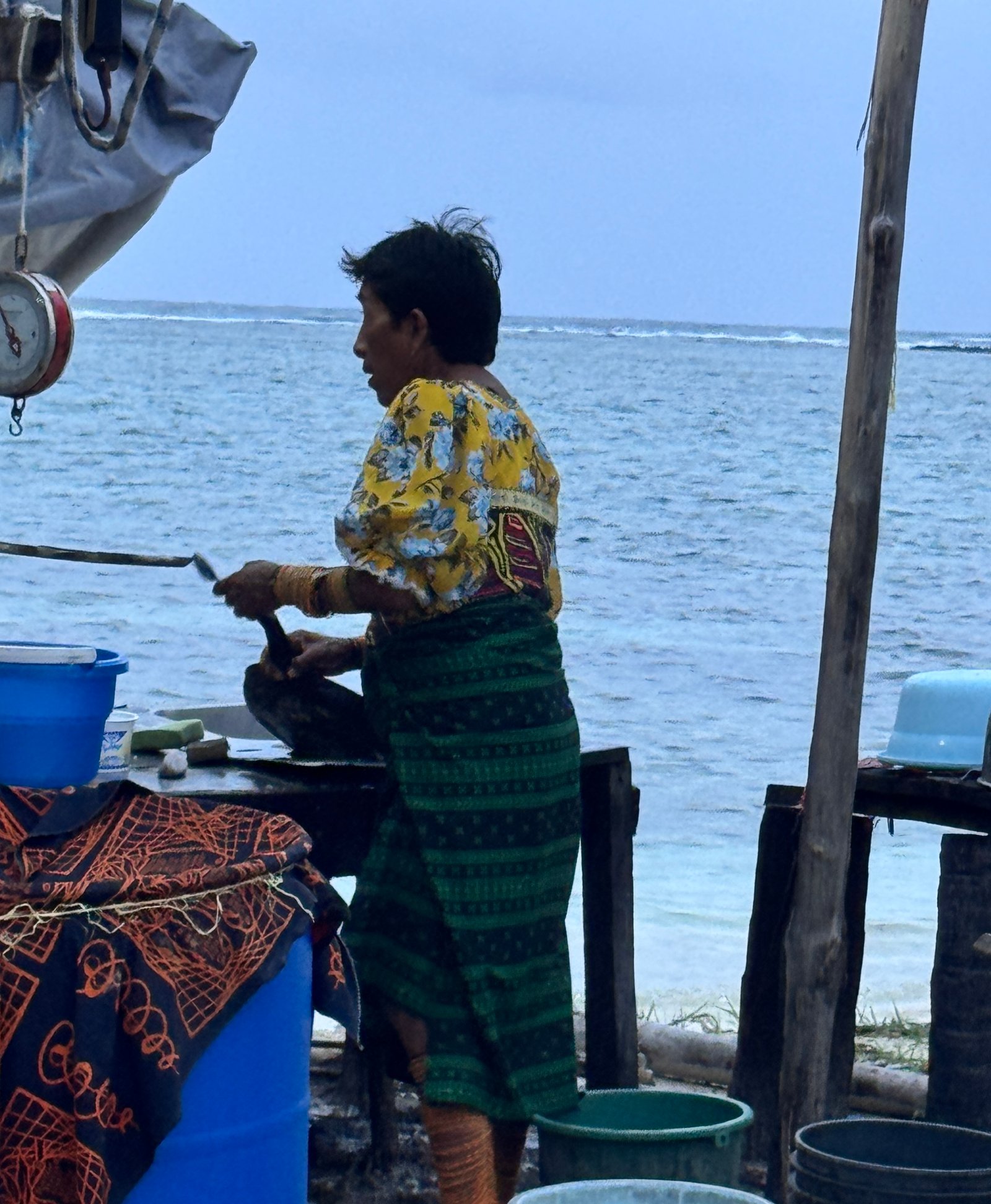
Watching this unfold feels like previewing conversations already happening in polar communities. Panama may be offering an early blueprint for what future coastal relocations around the world will look like.

Time to Breathe—and Prepare
For our crew, these days in the islands have been a blessing. While surrounded by quiet reefs and turquoise water, we’ve finally had space to tackle the enormous task of arranging a Panama Canal transit. I had no idea how much paperwork, logistics, and money were involved until we started. Hiring an agent was absolutely the right call—and we haven’t even entered the Canal yet.
Our transit date is set for December 17, so while we wait, we’ve been sailing through the Guna Yala islands—ironically, the very place I wanted to bring the crew from the beginning, but assumed was too far out of the way. Now I’m convinced we were meant to be here. The Guna migration, the Canal, the Arctic stories—it’s all interconnected with what we’ve been experiencing on this journey.
What’s Next for the Expedition?
Some of you may have noticed our updates got quieter recently. That’s because we genuinely weren’t sure what would happen next. Being forced off our original course shook us more than we expected. Much of our energy has gone into simply getting into Panama, getting approved, and preparing for the Canal transit. It’s been a marathon of forms, regulations, and waiting.
Once we’re through? Our goal is still the same to reach Cape Horn. But three major variables remain: time, money, and weather. And right now, not all of those pieces are clear. We’re taking it step by step—first the Canal, then reassessing conditions and resources on the Pacific side.
What I can say is this: wherever the route bends, the learning continues. And sometimes, the detours are the parts of the journey you needed most.