 Donate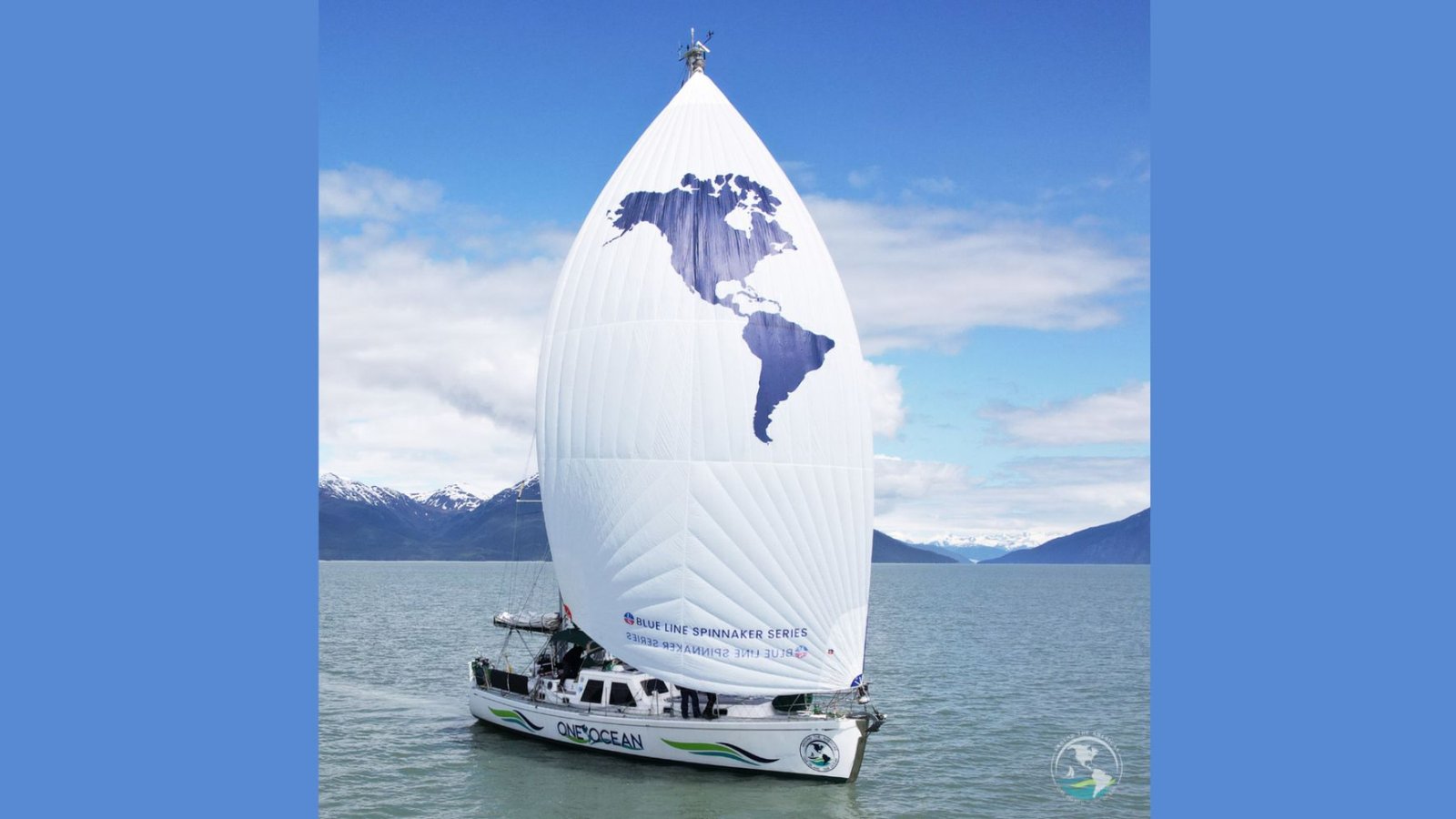
ONE ISLAND, ONE OCEAN, ONE YEAR ANNIVERSARY
Over the past year, One Ocean has sailed more than 18,000 nautical miles while conducting an unprecedented, multi-disciplinary research and education program across the Americas. From the Arctic to Cape Horn, the expedition has combined ocean science, exploration, and global engagement—bringing real-time discovery to audiences around the world.
By collecting continuous ocean data across remote and challenging environments, the expedition is advancing our understanding of ocean ecosystems, climate processes, and marine life at a scale rarely achieved. At the same time, it has transformed the vessel into a floating classroom, directly connecting people to science as it happens.
Key Scientific Accomplishments
🌿 Kelp Ecosystem Research
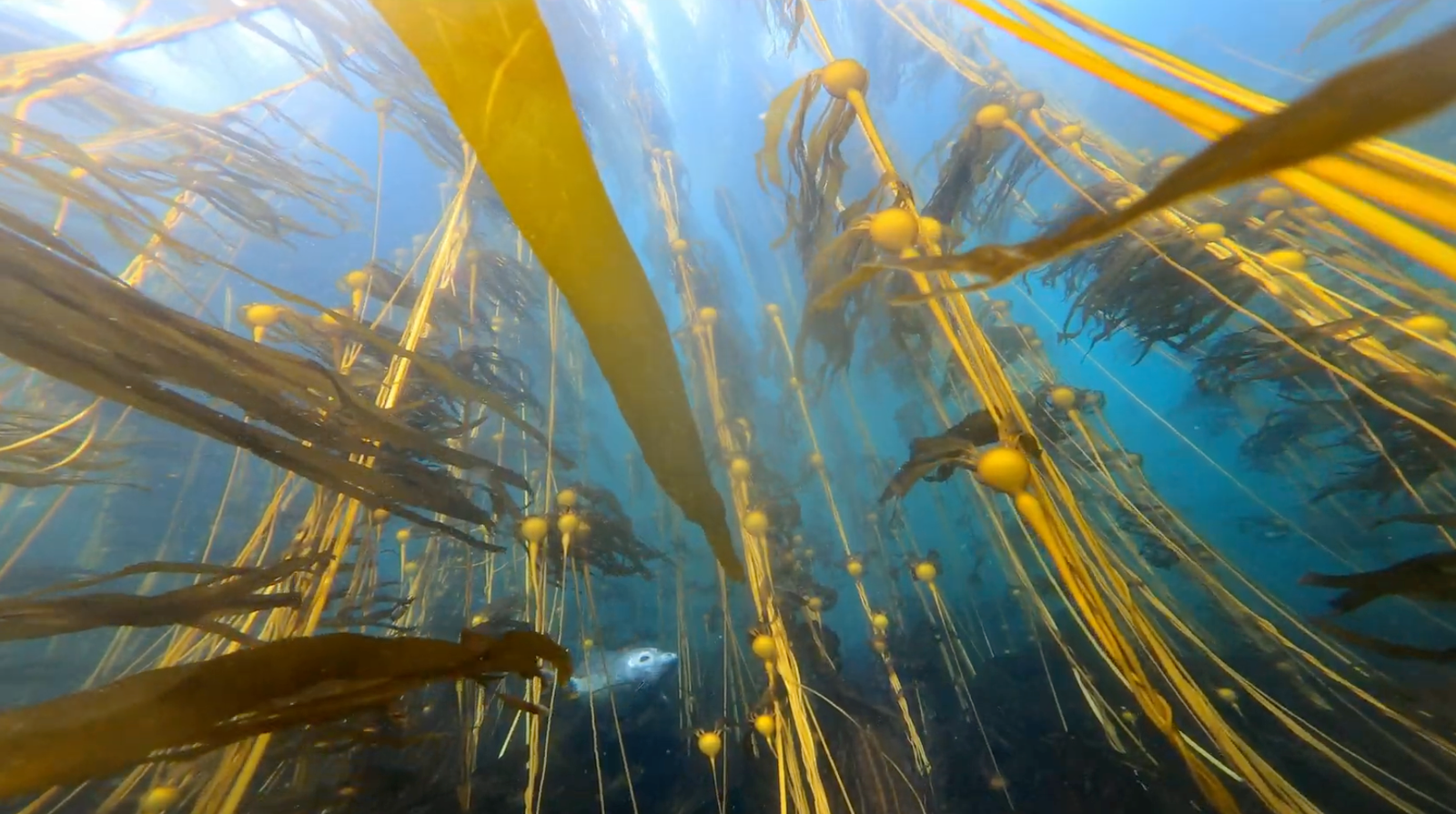
- Launched the first comprehensive pole-to-pole study of floating kelp forests along the Pacific coast, from Alaska to Patagonia
- Established a coast-wide dataset using a single, consistent methodology across all research sites
- Completed research at 20+ sites in British Columbia, Alaska and through South America
- Collected data through underwater imaging, quadrat surveys, CTD measurements, drone imagery, and Secchi disk readings
- Documented major regional differences in kelp forest health, density, and structure
- Observed ecosystem stress indicators, including bryozoan coverage and high sea urchin populations
- Created a critical baseline dataset to support long-term monitoring, conservation, and restoration
🐋 Whale Research and Monitoring
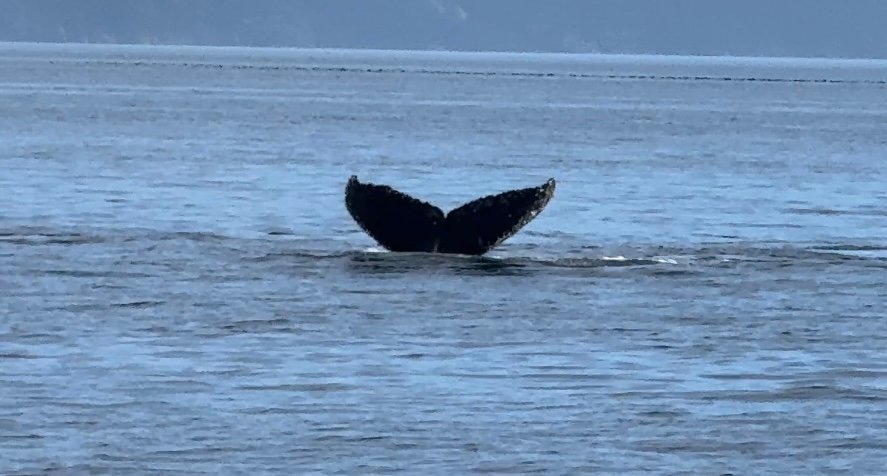
- Conducted photo-identification of whales using tail flukes and dorsal fins
- Recorded detailed behavioral and ecological data, including location, group structure, and feeding activity
- Enabled tracking of individuals to study social dynamics and site fidelity
- Identified key habitats for feeding, migration, and social interaction
- Documented human impacts such as ship strikes and entanglements
- Contributed data to inform marine protection and conservation strategies
🌊 Atmospheric & Oceanographic Data
- Continuously collected ocean and atmospheric measurements, including temperature, wind, and humidity
- Captured ground breaking data during extreme weather conditions and high-energy ocean states
- Recorded unique measurements of ocean surface temperature dynamics under conditions not previously studied
- Improved understanding of air–sea heat exchange and climate processes
- Contributed valuable data to enhance climate and ocean circulation models
📡 microSWIFT Buoy Deployments
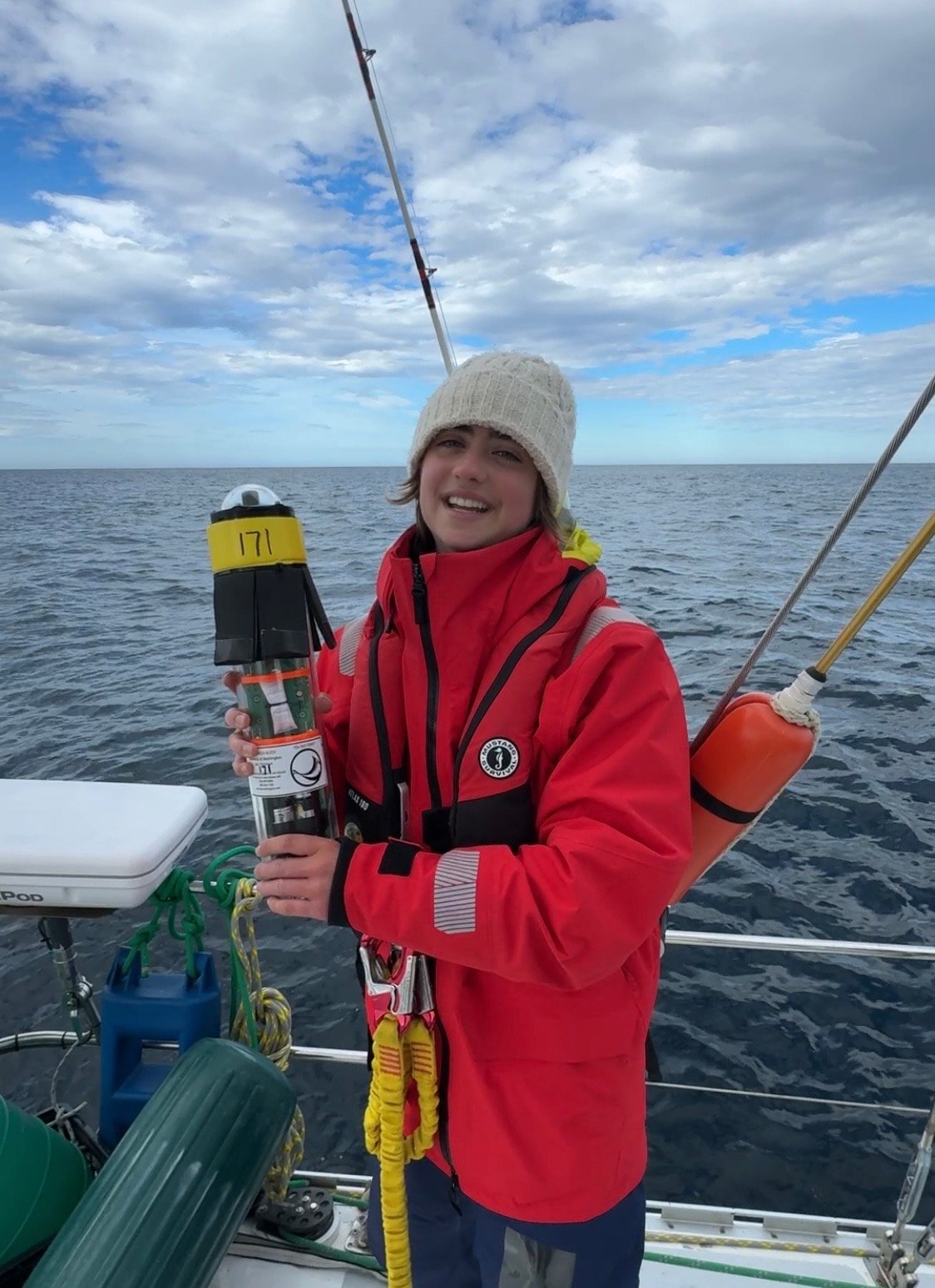
- Deployed 5 GPS-enabled drifting buoys collecting real-time data for over five weeks per deployment
- Global classroom involvement with tracking the buoys
- Measured waves, currents, temperature, and turbulence in remote ocean regions
- Provided critical insights into ocean movement, energy transfer, and air–sea interactions
- Helped fill major gaps in oceanographic data collection
🌍 Education & Global Outreach Impact
- Delivered 20+ live online classrooms directly from the vessel to students worldwide via Exploring By the Seat of Your Pants
- Reached hundreds of thousands of students across the globe, connecting them to real-time ocean science and exploration
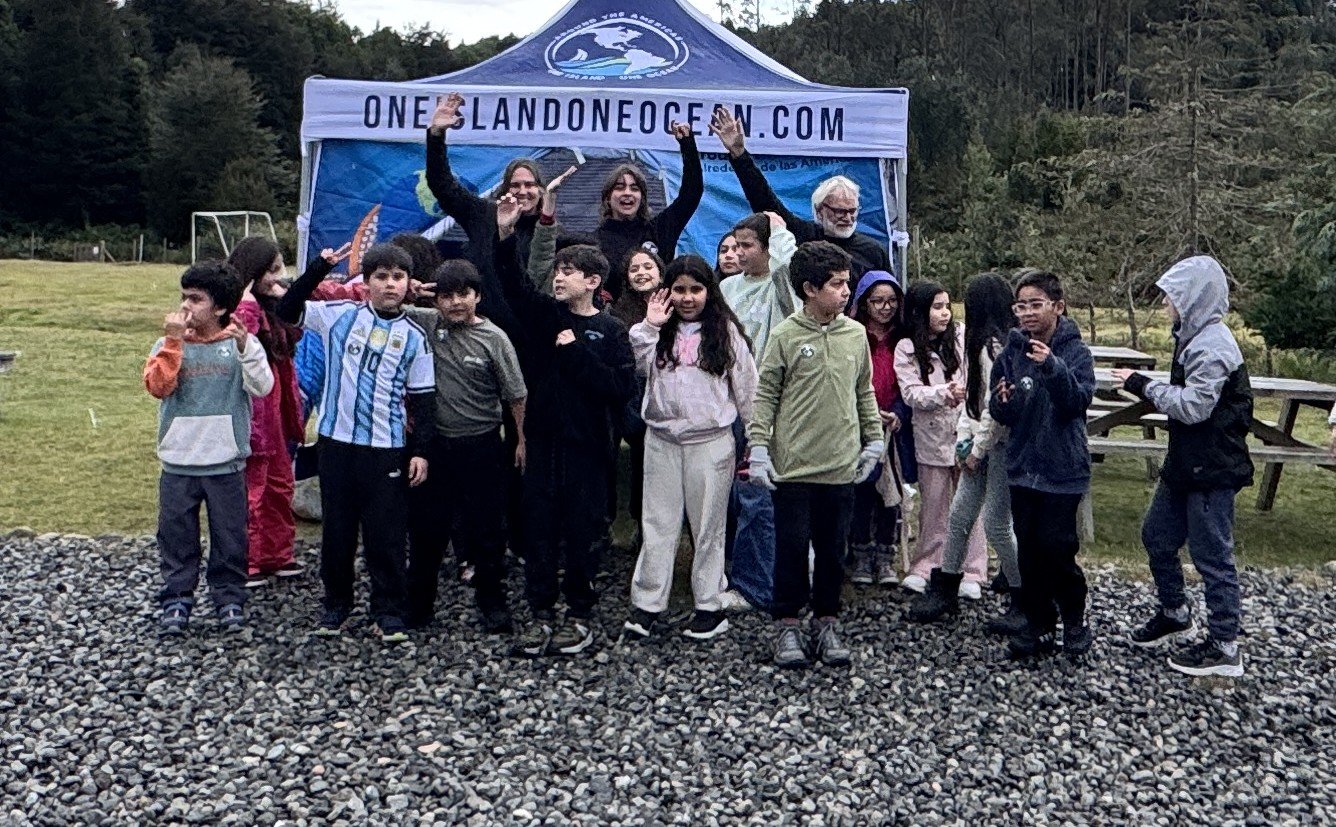
- Hosted live, in-person presentations with students and communities at ports along the expedition route
- Created an immersive, real-world learning experience by sharing active research, daily life at sea, and environmental insights
- Built a rapidly growing global audience of hundreds of thousands across social media platforms, expanding the reach of ocean education and storytelling
- Inspired the next generation of ocean stewards by making science accessible, engaging, and immediate
Overall Impact
- Combined large-scale scientific research with global, real-time education
- Generated continuous, high-value datasets across multiple ocean systems
- Provided rare observations from regions difficult to access
- Established foundational baselines for climate, ecosystem, and biodiversity monitoring
- Created a unique bridge between science, education, and public engagement
Looking Ahead
As the expedition continues into South America, One Ocean will expand this dataset into a full hemispheric comparison while continuing to grow its global educational reach. This work represents not only a scientific milestone, but a powerful model for how exploration, research, and education can come together to better understand and protect our ocean.
Latest Happenings
Podcast
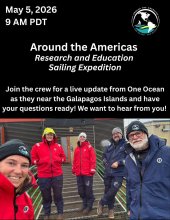
Join us on Tuesday, May 5 at 9 AM PDT for our Expedition Highlights presentation - The session will include live updates, storytelling, and a visual presentation highlighting the diverse environments, wildlife, and communities encountered along our route around the Americas. Click here to register.
Exciting news:
LANGARA FISHING LODGE DONATION
Buy an unforgettable Adventure — Support Ocean Exploration
You can buy an extraordinary package which includes a trip for two for 4-5 days to the world-renowned Langara Fishing Lodge in Haida Gwaii, generously donated and valued at $15,000.
All proceeds from this exclusive offering will directly support the Around the Americas Expedition—fueling vital research and education as we sail the coasts of North and South America.
Experience pristine waters, incredible fishing, and one of the most breathtaking, remote destinations on Earth—all while contributing to a meaningful cause.
Click here to learn more about what’s included in this once-in-a-lifetime experience.
Every dollar goes toward powering Around the Americas Expedition.
Fun Facts:
# of crew changes - 8
# of anchorages - 78
# of ports - 27
Total miles sailed = 18,650
Circumference of earth at the equator - 21,600 nm's
Circumference of earth from pole to pole - 21,604 nm's
# 48 lbs of popcorn consumed
# of M&M's eaten - ridiculous
# inches Tess's hair has grown - 8+