
 Donate
Migration is a natural, beautiful process. It occurs continuously, among people and animals alike, driven by survival, access to food and resources, and the search for safer, more favorable living conditions. Migration occurs across land, sea, and sky and is a common thread between thousands of species- including humans.
The largest migration on the planet happens every single day, unseen by most human eyes. Trillions of small marine organisms—zooplankton, squid, and fish—move vertically through the water column in a phenomenon known as Diel Vertical Migration. As night falls, they rise from the ocean’s depths to feed near the surface and with the rise of daylight, they descend, seeking refuge from predators. This daily movement spans the entire global ocean and plays a critical role in carbon transfer and nutrient cycling, processes that are vital to the regulation of marine ecosystems.
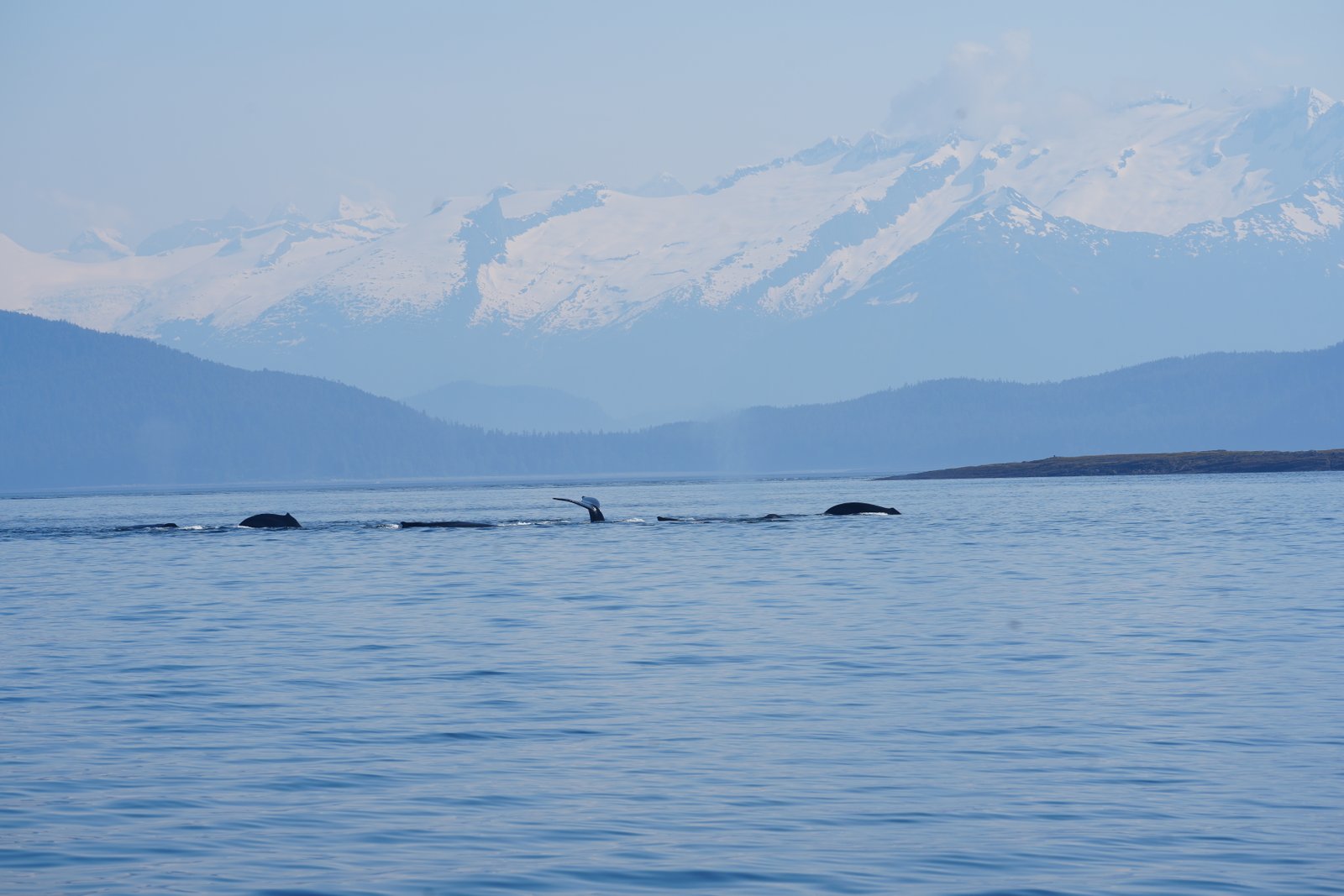
Long-distance seasonal migrations are equally essential. Thousands of species travel vast distances each year, responding to temperature, food availability, and breeding needs. Humpback whales, for example, undertake one of the longest migrations of any mammal on Earth, traveling up to 5,000 nautical miles between warm breeding grounds and cooler, nutrient-rich feeding areas. These journeys are not optional, but necessary for life to continue.
Animals are not bound by borders. They move according to instinct, environment, and survival. As oceans warm and sea ice melts, many species are migrating farther north, adjusting their ranges in response to climate change. Scientists do not shame polar bears for moving in search of survival and abundance, instead, they look at what environmental factors drove the movement. Migration is an adaptation rooted in truth.
Humans are no different. Whether we acknowledge it or not, we are animals shaped by the same forces. When we demonize migration, we deny our place in nature. Migration is not a modern crisis; it is a defining part of human history and a foundational element of any settled region. Environmental change, conflict, and scarcity have always pushed people to move, just as the promise of opportunity has pulled them elsewhere. As (primarily human-caused) climate change persists, migration patterns—human and nonhuman—will continue to shift, underscoring how deeply environmental forces influence where and how life moves forward.
For centuries, animal migration has inspired awe, drawing people from around the world to witness these breathtaking natural events. At the same time, human migration has shaped cultures, economies, and nations. Both are acts of resilience, and I believe both to be equally beautiful. Diversity is not America's achilles heel, but instead the backbone of what makes America great.
I don't know who said it first, but I think “Injustice anywhere is a threat to justice everywhere.” is an important quote for everyone to hear and truly understand. I challenge us all to remember our shared humanity, get to know our neighbors, and to move through this world with empathy. Whether beneath the waves or across borders, migration connects us all.
-Tess