 Donate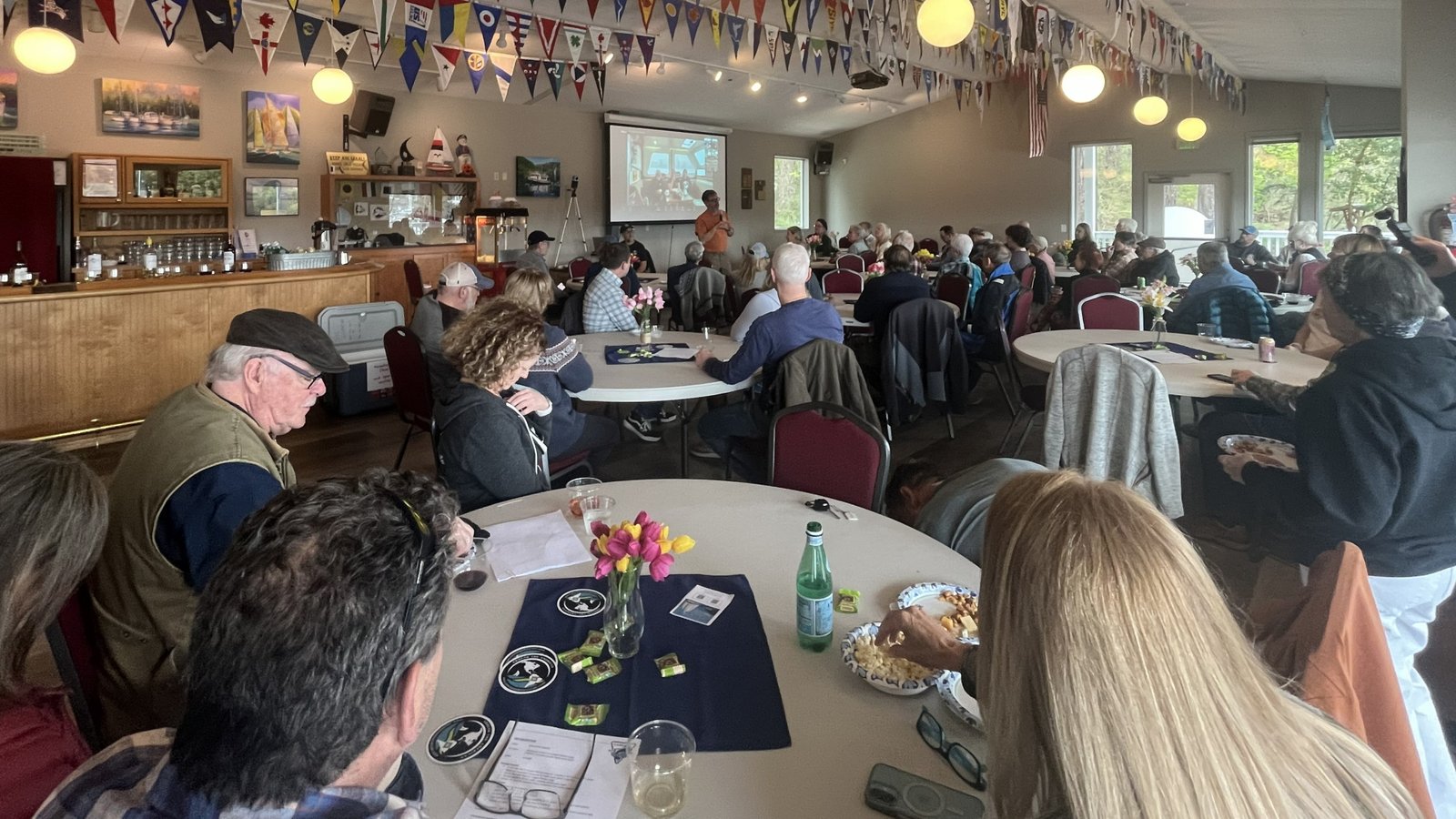
There’s a certain rhythm to life at anchor in the fjords—one part vigilance, one part intuition, and one part surrender. Some days it’s quiet observation. Other days, it’s a test of everything you think you know.
At 1:30 a.m., the stillness broke while we were anchored in Caleta Darde.
A quick check of our position revealed what no sailor wants to see in the dark: we had shifted. The rock outcropping we had so carefully given space to was now uncomfortably close. With our stern lines tied to trees we had limited options, it was pitch black out and blowing hard. We took in some anchor chain to pull us off the rock outcropping, but watched carefully the rest of the night.
By 8:00 a.m., the wind continued with gusts in the 30s, sweeping down the fjord in cold, forceful bursts. Then, almost teasingly, it eased. By 10:00, the sun broke through, casting light across the water. We took a moment for a breather. I rolled out my mat and moved through yoga on deck, breathing in the calm because we knew what was coming.
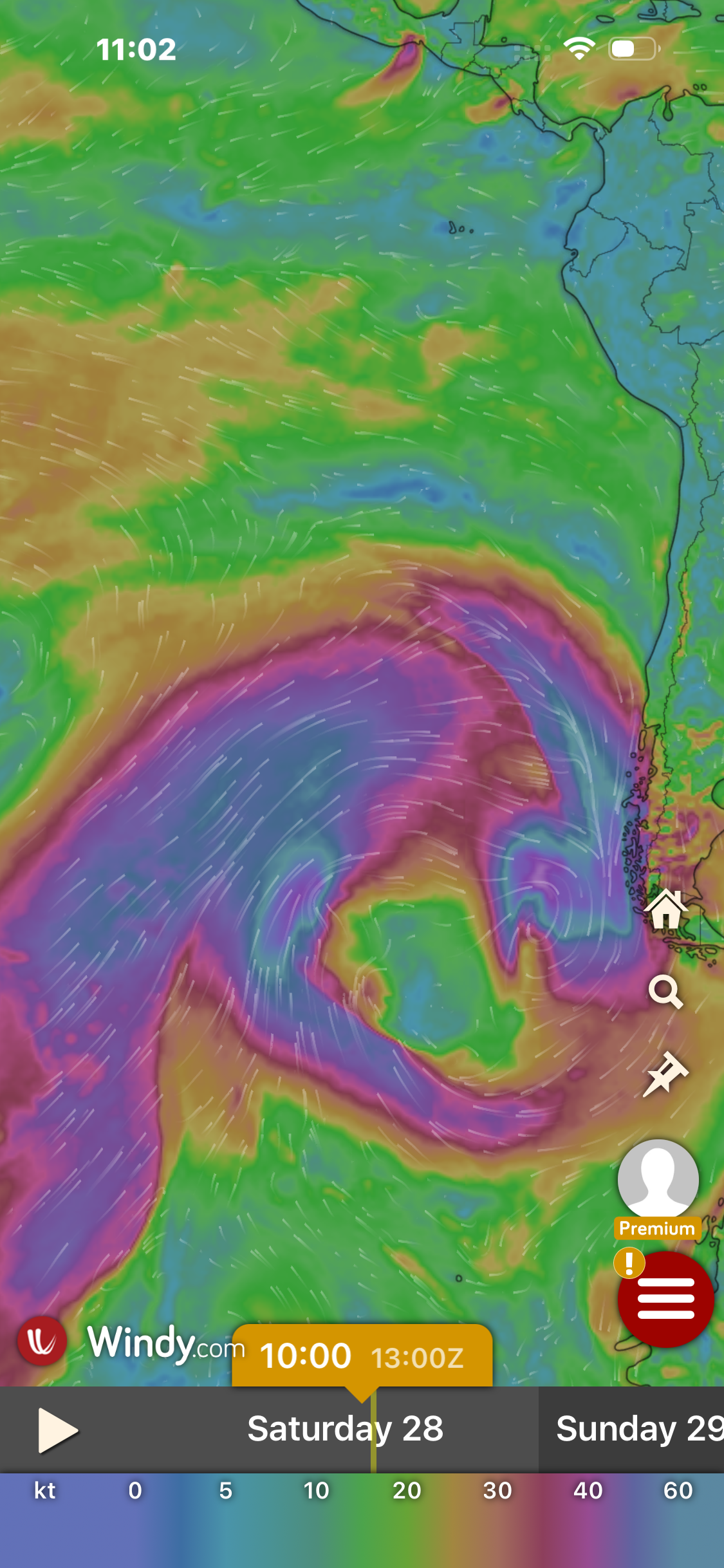
Because offshore—just hours away—a storm was building. A deep, powerful system with a 90-knot core, aimed squarely in our direction.
We needed a better plan.
We launched the dinghy and began scouting the bay, searching for protection—something tucked away, shielded from the forecasted north and northwest winds. That’s when we found it: a small, quiet cove. Sheltered. Promising. Alive and protected from the predicted wind.
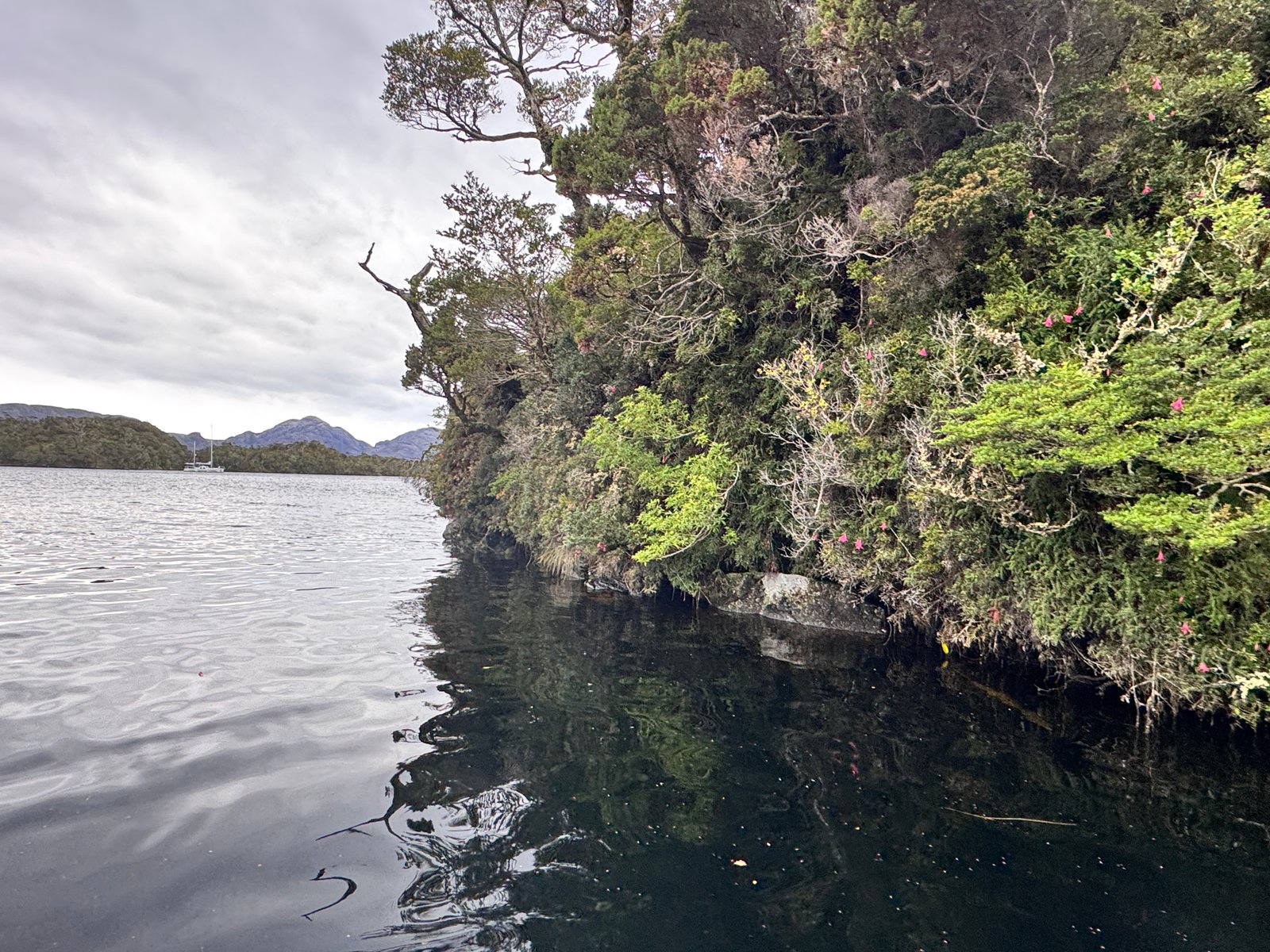
The cove revealed itself slowly, a pocket carved into the rock where land and water made a natural parking space. Moss draped the walls with summer flowers still in bloom, and trees leaned outward, their branches trailing over the water. Vegetation clung to every surface, fifty shades of green softening the edges of stone and giving the place a sense of quiet abundance.
It was a tight fit, but there was evidence of those who had come before us. Lines looped into the trees - fishermen, no doubt, had used this same refuge, threading their boats into the shoreline to ride out the region’s sudden storms.
With stern lines tied to shore, we could hold ourselves neatly in place, bow facing in - unusual, but an interesting prospect. But most importantly - protected.
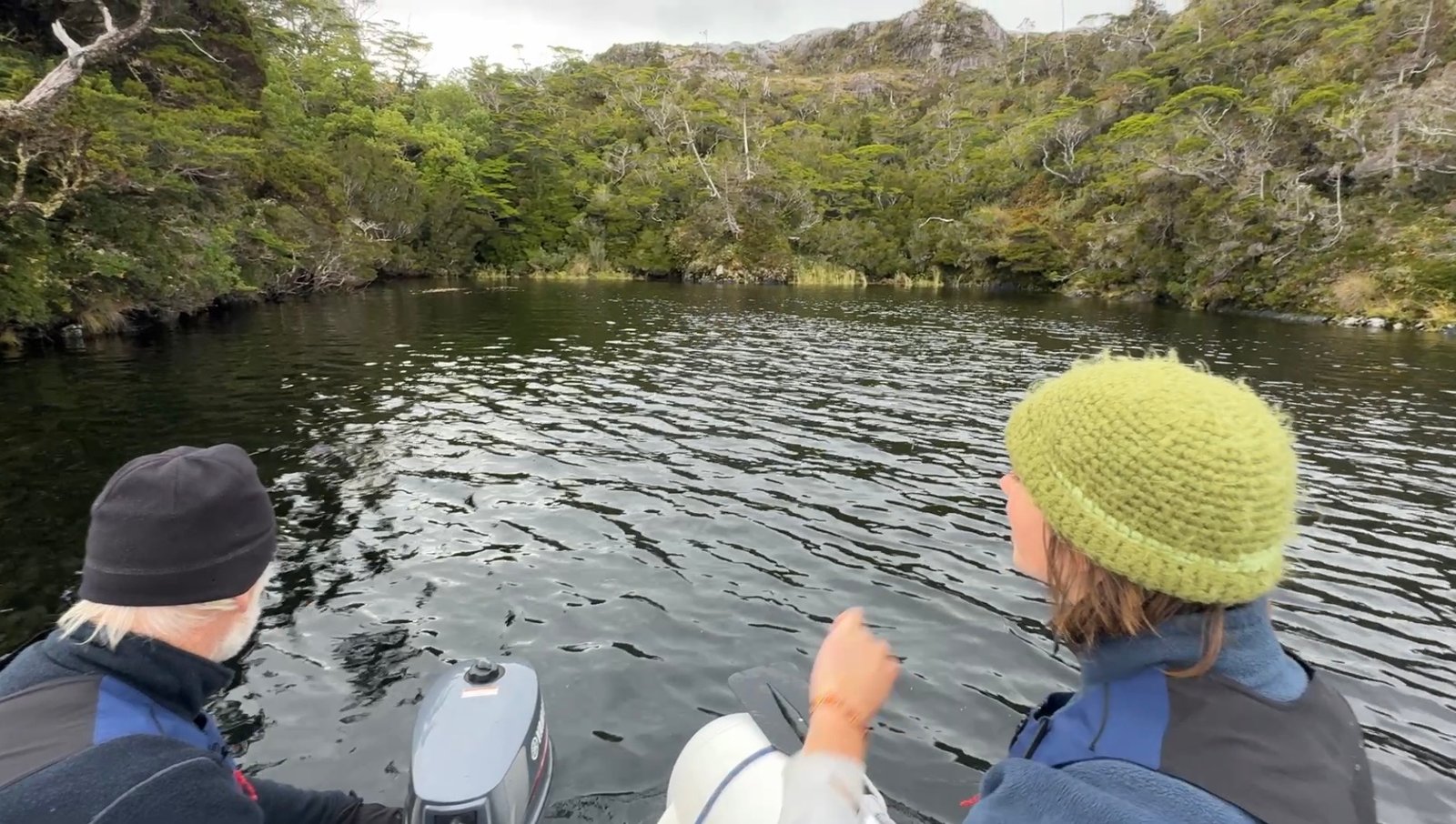
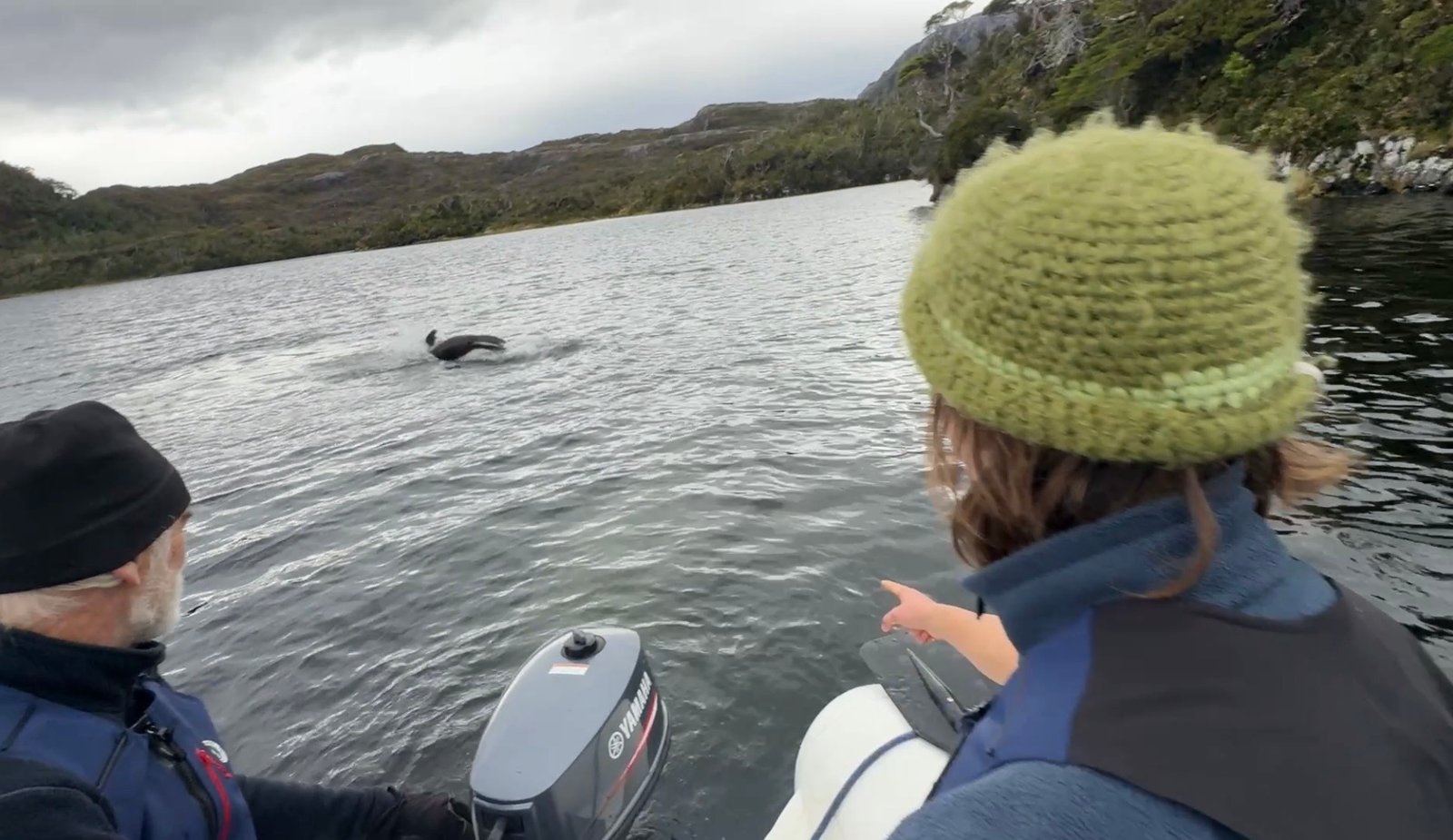
And then a sea lion erupted around us, weaving beneath the dinghy, spying and leaping with curiosity and energy. A good sign, we thought. A wild welcome.
We made a plan. A careful one.
Tess would deploy first in the dinghy, ready to secure the port stern line as we glided in. I would drop the anchor at the bow, setting our position. Then we’d pass the starboard line back to her to tie off. Clean. Controlled. Intentional.
And for a moment—it worked beautifully.
The boat settled into position, lines tight, anchor set. A quiet success.
Then the wind shifted.
It didn’t build gradually. It turned immediately and whipped into a wild frenzy.
We were suddenly broadside to its force, the stern acting like a sail, filling with wind. The lines that had just secured us now held us in a dangerous bind, tethered to trees we didn’t know, in a cove that offered no room for error.
Mark and I locked eyes. No words needed.
This wasn’t right.
We moved to abort.
But the weather had other plans, the forecasted storm came early. Within minutes, the wind surged—30 knots and climbing—whipping the surface of the emerald green ocean into chaos. We began coordinating our escape, aiming to get back into open water and anchor in the center of the bay. No sooner had the words left Mark’s mouth —“Let’s wait for a break between gusts”—than snap.
The starboard stern line gave way.
A crack that cut through the wind.
The engine was already running, hadn't been turned off yet, and fortunately Mark was at the helm.
Tess hauled in the loose line with precision, no hesitation.
Mark began turning us—tight, controlled, a pinpoint turn, threading us out of the narrowing cove. The bow thruster engaged, but we could feel it fading - low battery!
I grabbed the ice pole, bracing myself along the rail, pushing us off rock and shoreline where I could.
Then—another snap.
The port stern line.
Tess moved fast, hauling it in as the wind continued to build. Mark pushed the throttle, coaxing everything he could from the engine and thruster. The stern swung wide—too wide—toward a rocky shelf waiting just beneath the surface.
“Go!” I shouted. “Floor it!”
And he did.
The boat surged forward, clearing the narrow mouth of the cove just as the wind roared through it, now fully unleashed.
We were out.
No time to linger. No time to process.
We pushed into the open bay—Caleta Darde—and dropped anchor in deeper water, giving ourselves room. Space to swing. Space to breathe.
The anchor seemed to hold.
Only then did the adrenaline begin to settle, leaving behind that hollow, shaky quiet. The realization of how close it had been.
And then—almost absurdly—it was time for our scheduled presentation with the Anacortes Yacht Club.
We wiped the salt from our faces, steadied our voices, and showed up.
Because that’s also part of this expedition.
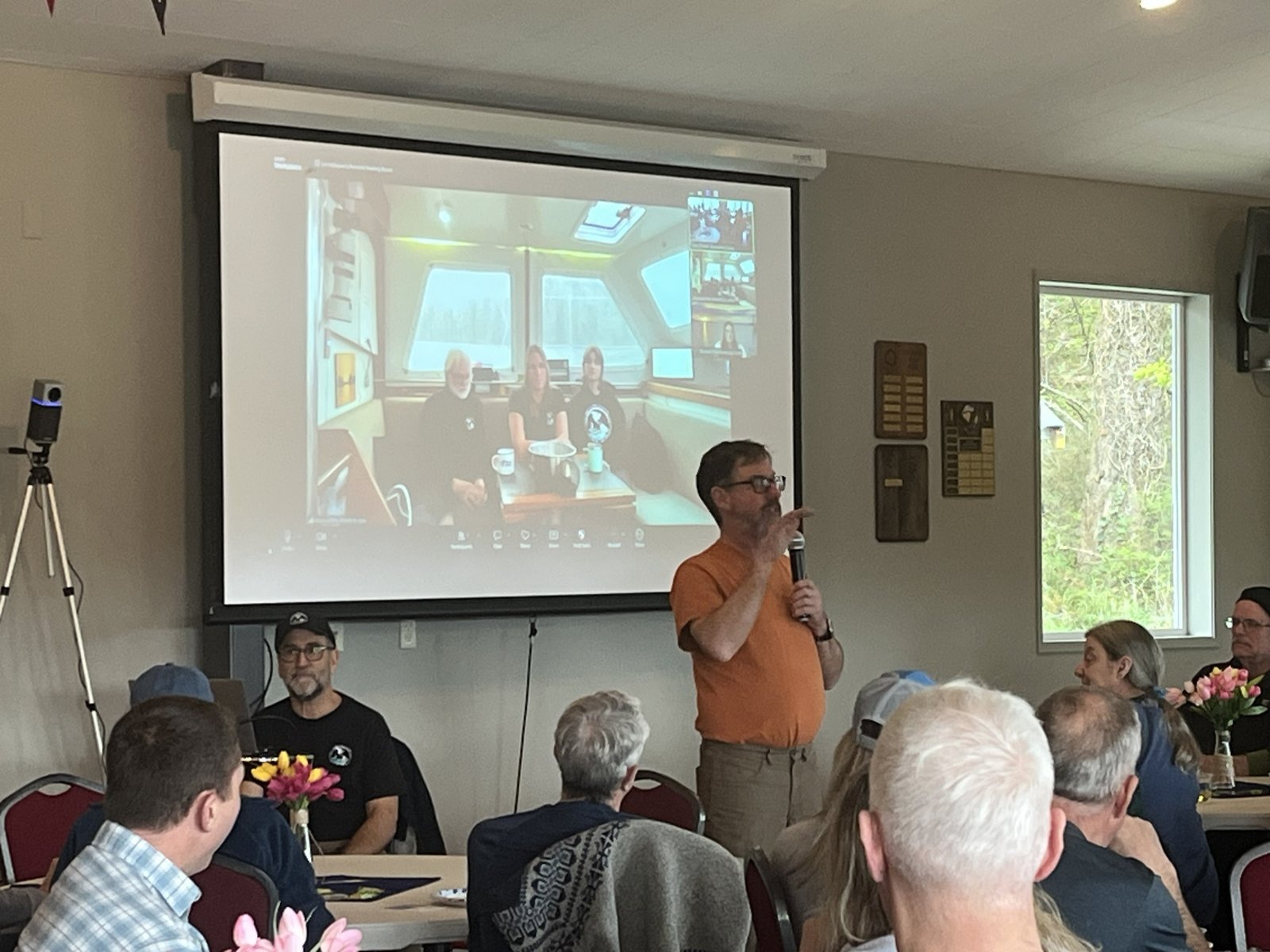
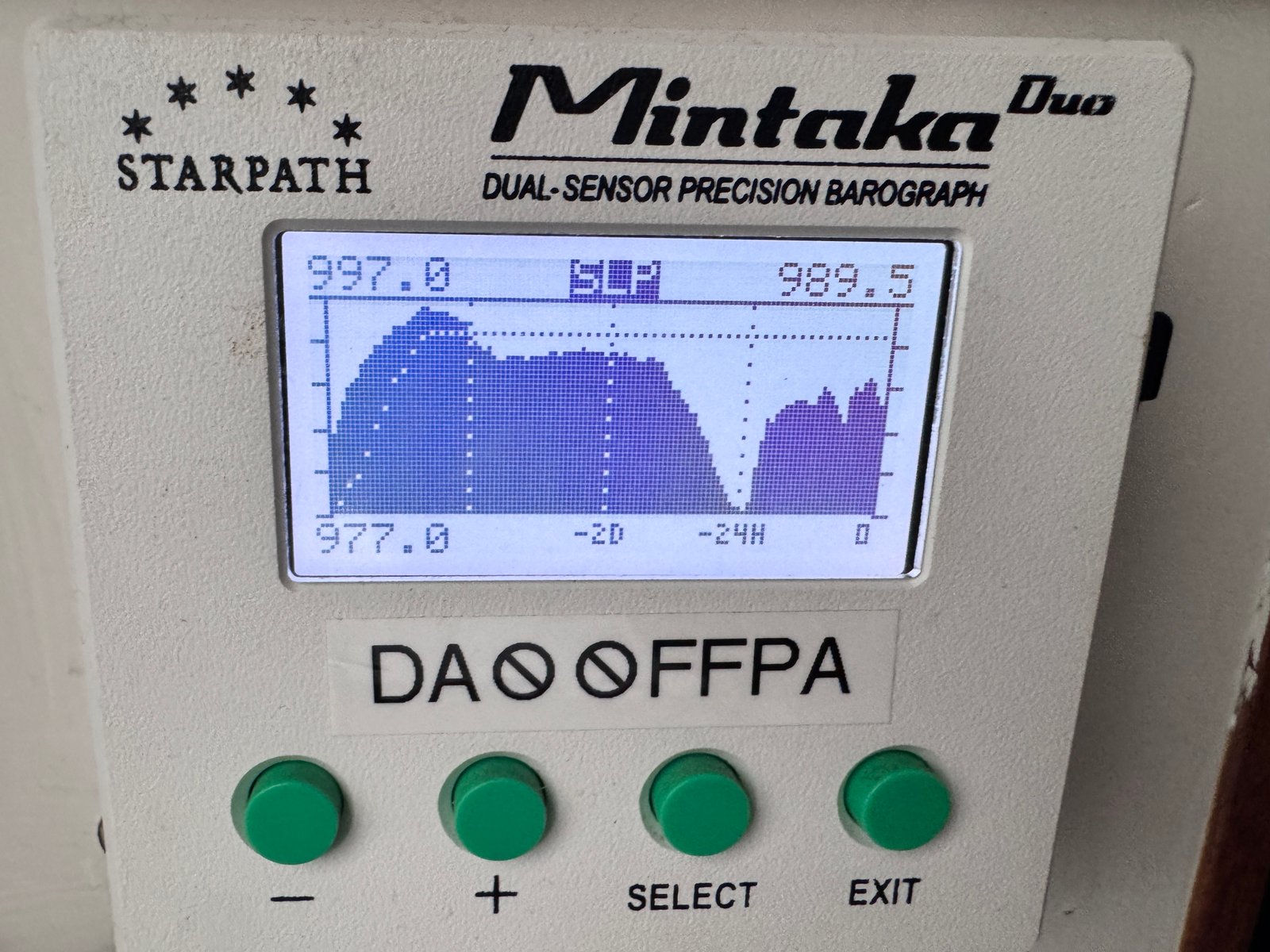
By the time we finished, exhaustion had settled deep into our bones. The storm arrived in full force that night, hammering us with winds through the 40s, testing our anchor, our gear, and our resilience. Sleep came in fragments—if at all.
At one point, we realized we were slowly dragging across the muddy bottom and that dreaded sound of our anchor alarm went off again. Our stern crept closer to that rocky shoreline once again. Another long night.
By the following day, the storm still had its grip on us. Wind howled through the rigging, waves slapped against the hull—but this time, another re-anchor and this time we held.
We were storm-weary. Out here, there is no such thing as “just another day.”
Only days that remind you—clearly, forcefully—that in these fjords, the wind and the ocean are always in charge.
But on another note - we would like to extend a heartfelt thank you to all the people who showed up and contributed to our fundraiser in Anacortes. Every penny has helped continue this important work we are doing on this expedition. Thank you so much for your support! Now more than ever - research and education matter. Thank you, thank you, thank you.